Last updated on 10 November 2026
Science and Technology

Science and Technology

Overview

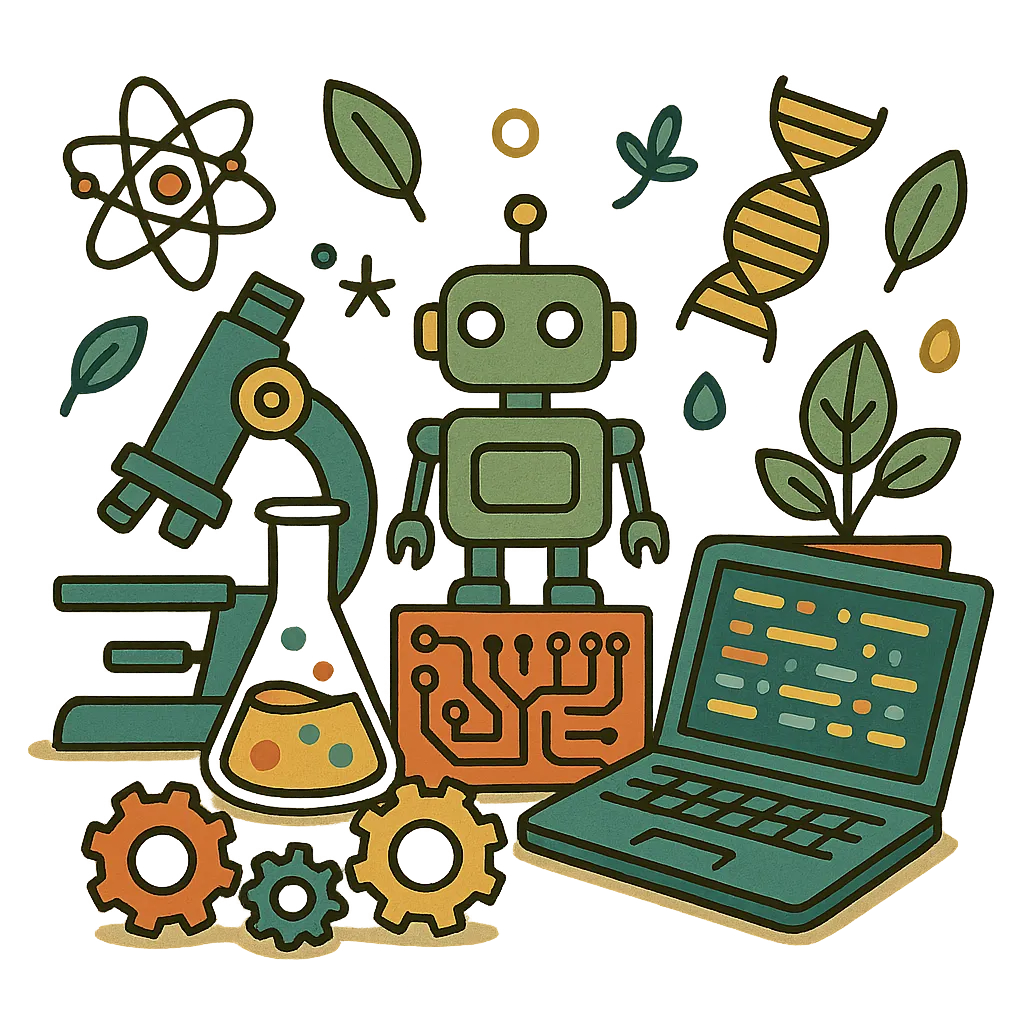
Science and Technology is one of six Areas of Learning and Experience in the Curriculum for Wales. It draws on biology, chemistry, computer science, design and technology, and physics, and has six statements of what matters. They cover inquiry, design and engineering, living things, matter, forces and energy, and computation.

The Area helps learners understand the natural and designed world and act on it. They ask questions, build and test models, judge evidence, and design products, services and systems for real users. Hwb asks you to plan for three kinds of knowledge: content, procedural and epistemic. Plan the knowledge learners need before practical work so it strengthens conceptual understanding. One ethical question runs through the Area: "Just because we can, does that mean we should?"

Schools decide how to organise teaching. Hwb says the six statements "do not align exactly with traditional subject areas" and "should not be considered separately in school curriculum design and planning". Plan progression across the six statements, not discipline by discipline. For the full framework, see the Science and Technology guidance on Hwb.

What does Science and Technology look like in practice?

Being curious (enquiry)

Year 9 learners in Port Talbot gather published air-quality data and local news claims about steelworks emissions. They judge which claims the evidence supports, then debate "Just because we can, does that mean we should?" about the change in steelmaking. It is the Being curious statement at work: testing claims presented as scientific fact.

Design thinking and engineering

Reception learners in settings across Gwynedd make a bed for the class teddy from boxes, card and fabric. They swap materials when it wobbles. They talk as they work: "I can design while I make and communicate about what I am making." This is early work on the Design thinking and engineering statement.

Living things

A Year 3 class in Pembrokeshire surveys rock pools on the coast path at low tide. They record which creatures live together, then explain how their own actions on the beach could affect those habitats. This builds the Living things statement's idea of interdependence and human impact.

Matter

Year 11 learners study Blaenau Ffestiniog slate as a natural material. They analyse its composition and properties, explain why it splits as it does, and evaluate how it is quarried and processed. This serves the Matter statement: the properties of materials and how we use natural resources.

Forces and energy

Year 9 learners in Ceredigion investigate the energy transfers and efficiency of the Rheidol hydro scheme. They then design a model turbine and use what they found to improve its efficiency. This serves the Forces and energy statement and its link to using the planet's resources efficiently and sustainably.

Computation

A Year 6 class in Cardiff builds a micro:bit weather station using sensors, conditionals and loops. Learners store and chart a fortnight of readings, then discuss how the data could be kept secure and who might use it. This is the Computation statement: algorithms, sensors and data.

Statements of what matters

The 6 statements below are the official wording from the Curriculum for Wales. Together they set out the big ideas learners should come to understand in Science and Technology.

Being curious and searching for answers is essential to understanding and predicting phenomena
Learners ask questions, observe, build and test models, and judge evidence, including the ethical question "Just because we can, does that mean we should?". Hwb says to contextualise this statement throughout the Area, so plan it into every other statement. Read it on Hwb
Design thinking and engineering offer technical and creative ways to meet society’s needs and wants
Learners follow a user-centred design process to design and engineer products, services and systems, building accuracy, precision, dexterity and craftsmanship. They also apply learning from the other five statements. Plan time to prototype, test and refine "without fear of failure". Read it on Hwb
The world around us is full of living things which depend on each other for survival
This is the biology of the Area: diversity, interdependence, evolution and natural selection, structures and functions, and the factors that affect health, including preventing and treating disease. Plan for human impact on biodiversity too. Read it on Hwb
Matter and the way it behaves defines our universe and shapes our lives
This is the chemistry of the Area: properties of materials, using natural resources, making new substances, and controlling reactions for the benefit of individuals and industry. Sequence the knowledge learners need before practical work so investigations strengthen understanding. Read it on Hwb
Forces and energy provide a foundation for understanding our universe
This is the physics of the Area: forces, energy and motion, and modelling physical systems mathematically. Hwb links it to using our planet's resources efficiently and sustainably. Plan for learners to model a local hydro or wind scheme mathematically and judge its efficiency. Read it on Hwb
Computation is the foundation for our digital world
This is the computer science of the Area: how algorithms process data, how hardware and software work, what computers cannot do, and the legal, social and ethical consequences of technology. Treat it as content learning in its own right. Read it on Hwb

Progression in Science and Technology

Progression step 1

Around age 5, in nursery or reception, learners explore through play. They ask how things work, look closely and talk about what they notice: "I can show curiosity and question how things work." They build and take apart with simple tools, try out materials for a job, and recognise plants and animals as living things that grow. They begin to follow a sequence of instructions. Designing and making happen together.

Progression step 2

Around age 8, in Year 3, learners start simple inquiries of their own: "I can ask questions and use my experience to suggest simple methods of inquiry." They spot patterns, predict and report findings. They explore habitats, life cycles, mixing materials, and the basics of light, sound, electricity and magnetism. They use basic prototyping, write simple algorithms, and build and control a physical device. They begin to recognise their own impact on the environment.

Progression step 3

Around age 11, in Year 6, learners pick out questions science can investigate, draw conclusions and use evidence to form opinions. Content gets more specific: organs and systems, competition and interdependence, forces and motion, circuits, sound, light and magnetic fields. In computation: "I can use conditional statements to add control and decision-making to algorithms." They debug, work with sensors and actuators, and prototype designs "without fear of failure".

Progression step 4

Around age 14, in Year 9, learners plan and carry out their own investigations and test claims presented as scientific fact: "I can evaluate and identify ways of improving the reliability of data, taking anomalies into account." Content turns more abstract: cells, variation and adaptation, types of chemical reaction, conservation of energy, efficiency and waves. Design work is iterative and weighs environmental and social impact. In computation they decompose problems, choose data structures and plan tests.

Progression step 5

Around age 16, in Year 11, learners investigate rigorously and recognise the limits of their methods: "I can devise, justify and use systematic methods of inquiry to rigorously investigate my scientific questions and recognise limitations." They connect findings to theory and weigh alternative theories when evidence is inconclusive. Content becomes quantitative: natural selection driving evolution, atomic structure, reactions in molecular terms, and modelling motion, energy and circuits. In computation they test software and interrogate data sets.

How does Science and Technology relate to the four purposes?

Ambitious, capable learners

Hwb's principles of progression describe learners moving from "a personal understanding of the world to an abstract view that enables learners to conceptualise and justify their understandings". They revisit and adjust what they know as they go. Investigation, analysis, problem-solving and design carry them there. A "trial and improve" approach builds resilience and independence.

Enterprising, creative contributors

The Design thinking and engineering statement asks learners to meet real needs and wants through a user-centred design process. Hwb says curiosity about the physical and digital world provides "a foundation for product development and entrepreneurial actions". Learners who prototype, test with real users and refine, whether in card or in code, practise exactly that.

Ethical, informed citizens

The Area's ethical question, "Just because we can, does that mean we should?", runs through every statement. Learners consider the impact of scientific and technological developments locally, across Wales and in the wider world. Hwb suggests the climate emergency as a context. Computation adds the legal, social and ethical consequences of technology, from data security to software designed with diverse audiences in mind.

Healthy, confident individuals

The Living things statement covers the factors that affect health, including the prevention and treatment of disease. Hwb's guidance includes nutrition, substance use and activity. Understanding how their own bodies work helps learners make informed choices. Treating failure as "a stepping stone to success", as Hwb puts it, builds the resilience and perseverance that confident individuals need.

Cross-cutting themes

Local, national and international contexts

Hwb asks learners to weigh the impact of developments "locally and elsewhere in Wales, as well as in the wider world". It suggests the climate emergency as a context for weighing personal agency, government action and economic factors. It names scientists to study, including Frances Elizabeth Hoggan and Alfred Russel Wallace. Fieldwork indoors and outdoors keeps the work close to home.

Careers and work-related experiences

The Area has its own careers guidance on Hwb. It points learners to emerging careers in science and technology. It recommends partnerships with designers, scientists, engineers, computer scientists and craftspeople, including local industry, and says stereotypes and inequalities should be addressed from an early age. A visit from a local engineer works best when it challenges who learners picture doing the job.

Relationships and sexuality education

Hwb's guidance for this Area names its contribution to RSE: human biology, life cycles, sexual reproduction, human development and the role of hormones. It asks learners to judge sources and to explore how computation, algorithms and data processing shape perceptions of bodies, relationships, gender and sexuality. RSE is a mandatory element for learners aged 3 to 16, with its own Code.

Cross-curricular skills

Literacy

Hwb calls scientific and technical vocabulary "essential" to understanding in this Area. Teach specialist terms early, explain where they come from, and expect learners to use them naturally. Writing a method, recording observations and annotating a design build the instructional and observational language and the design communication skills Hwb names.

Numeracy

Measurement, data and modelling run through every statement. Hwb names the numeracy skills to design and measure, model and communicate ideas, analyse and predict, then draw conclusions. A fair test on plant growth, a graph of circuit readings or a costed design brief each give numeracy a real job to do.

Digital competence

Digital competence is a mandatory cross-curricular skill that every teacher in every Area develops, supported by the non-statutory Digital Competence Framework. The Computation statement is this Area's own content learning. Teaching computer science does not by itself meet the school's digital competence duty. Here learners capture and interrogate data and express their thinking with digital devices.

Thinking tools for Science and Technology

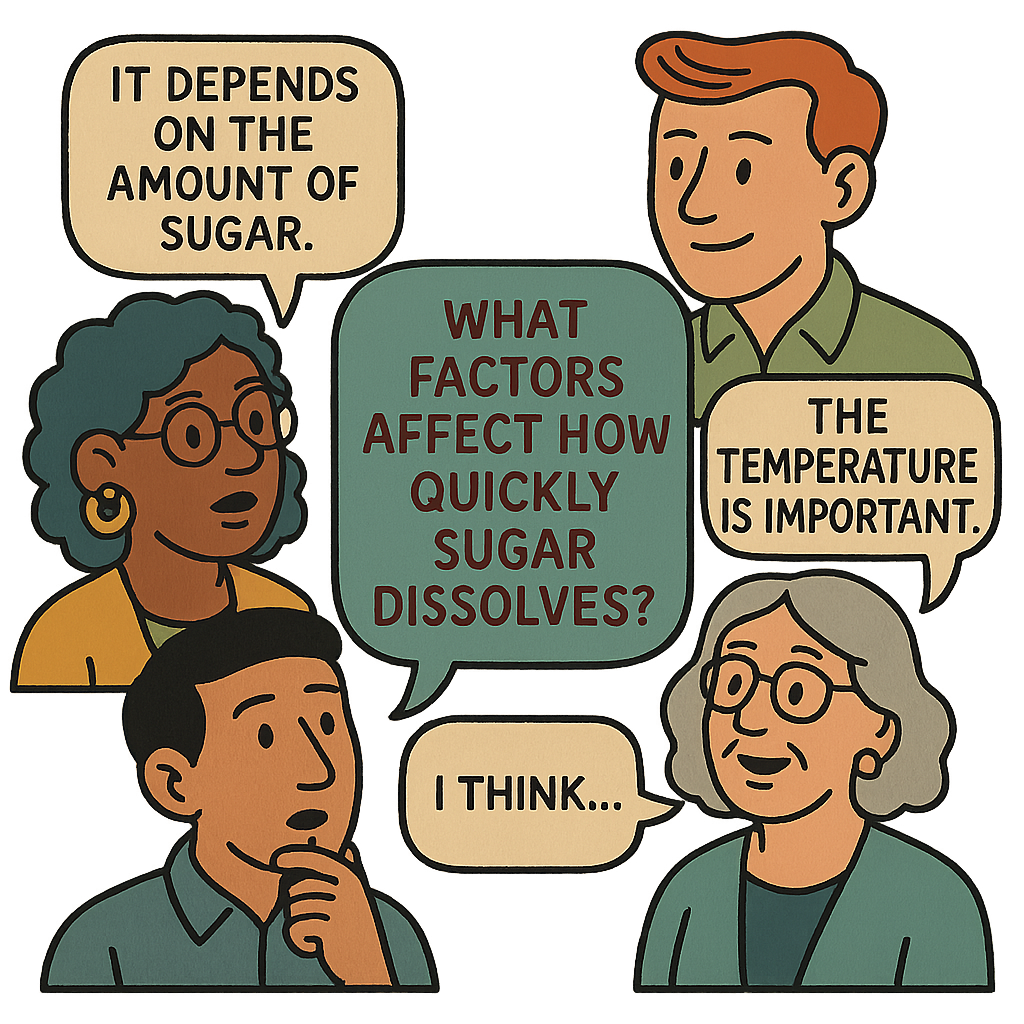
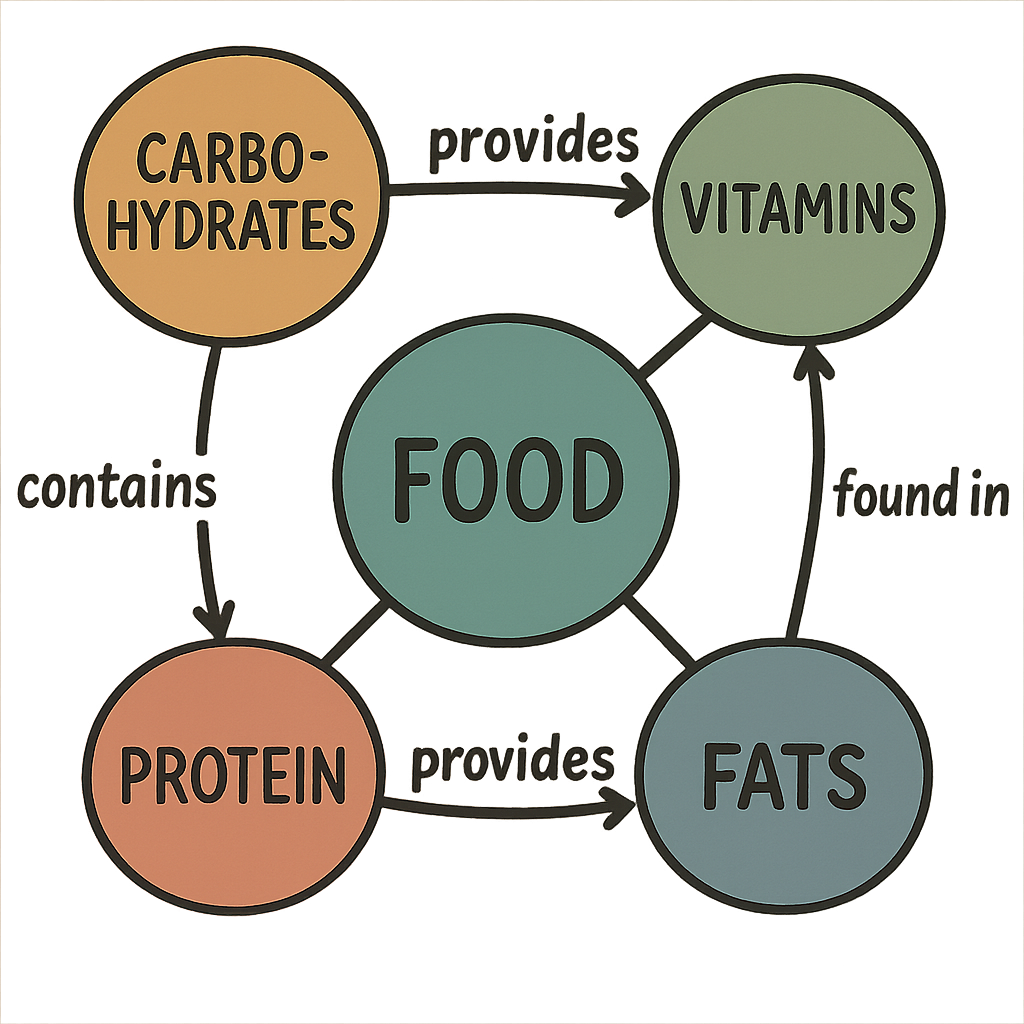
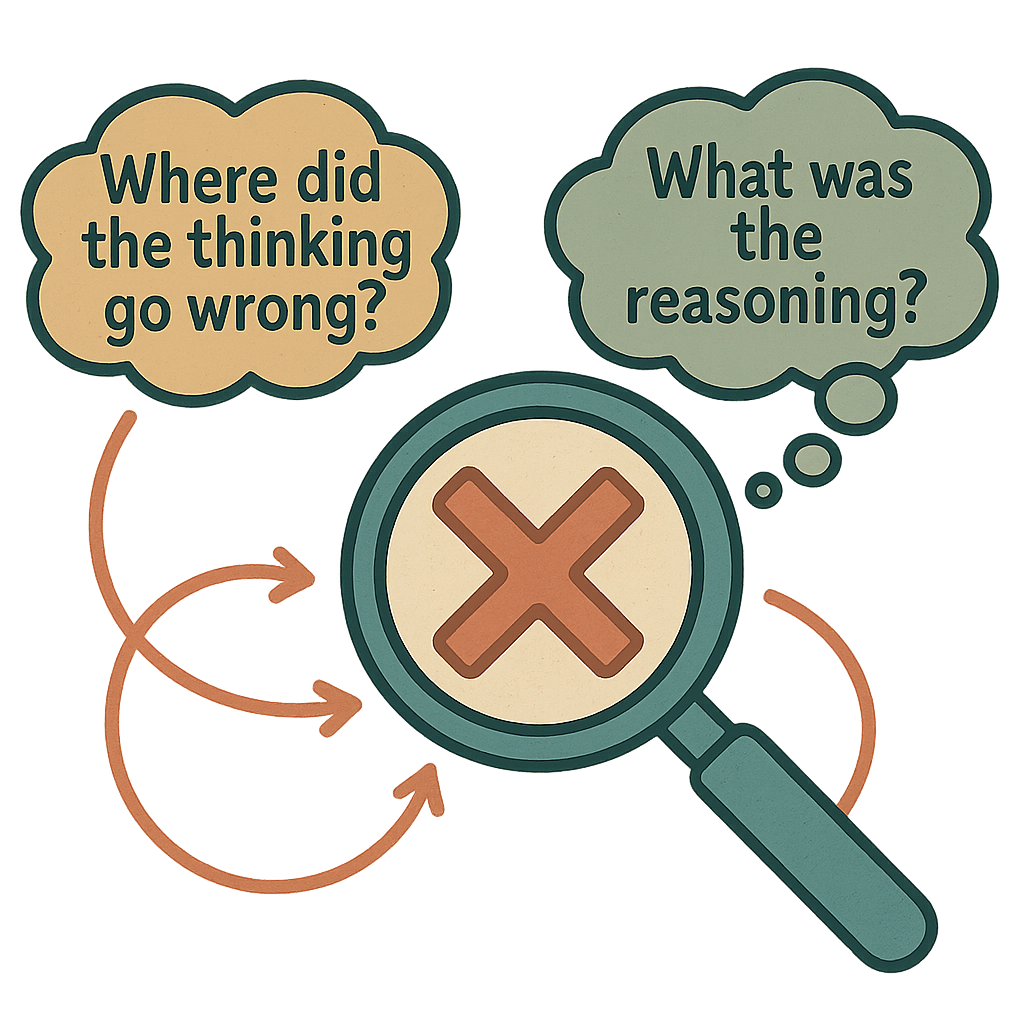
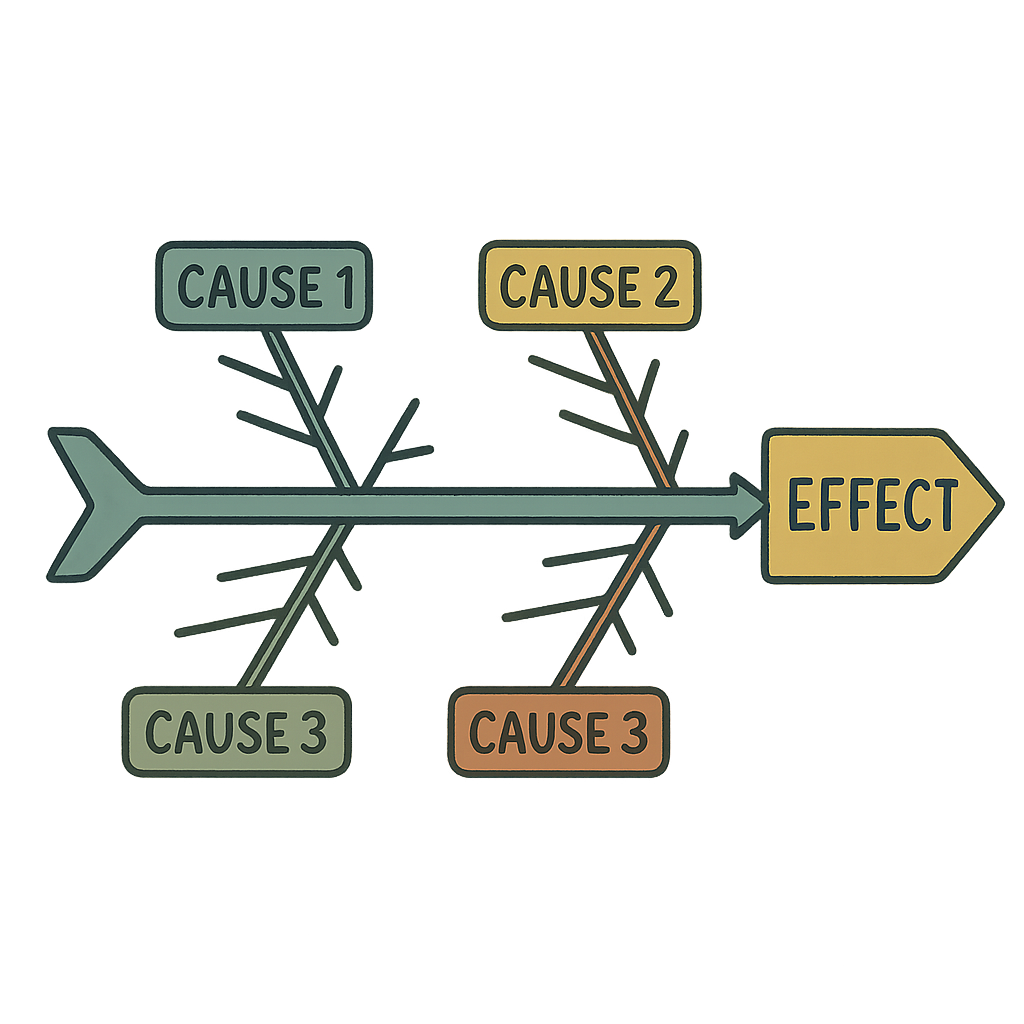
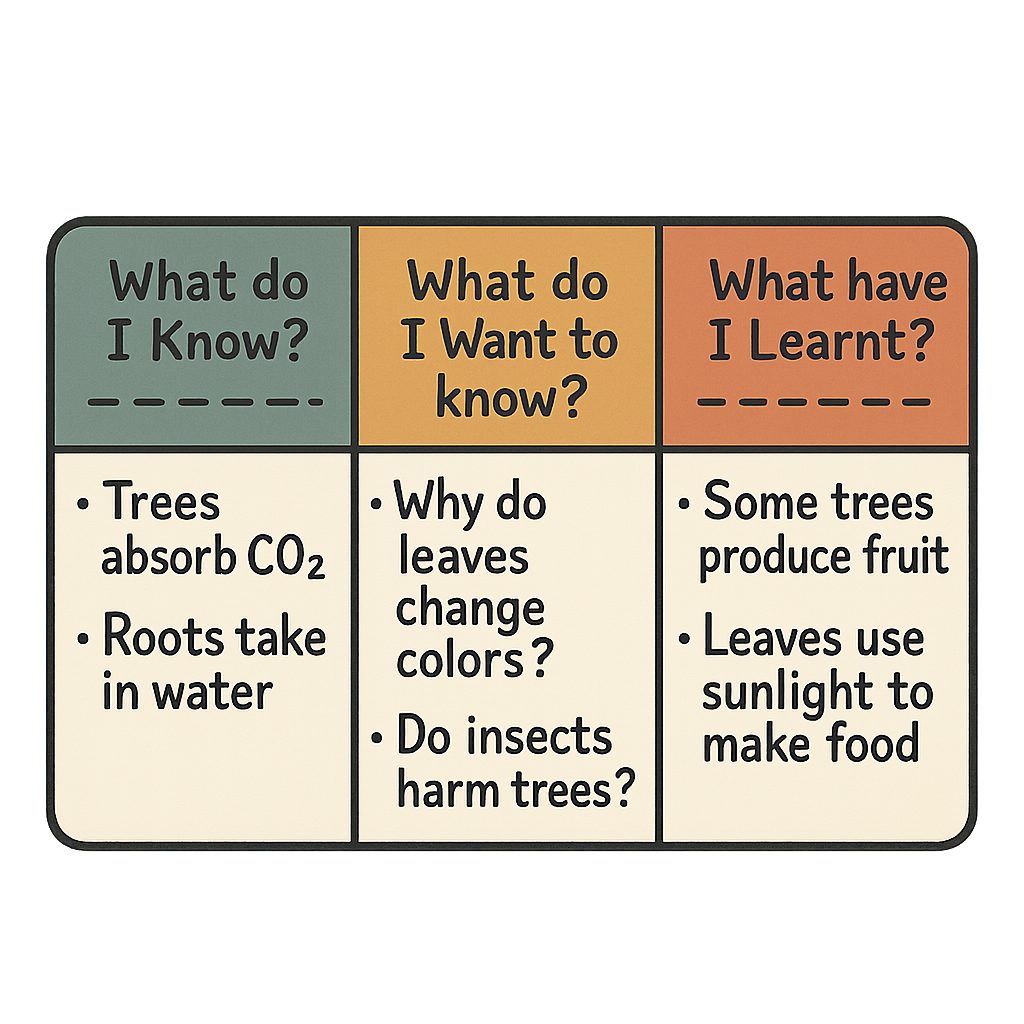
Practical classroom strategies that develop thinking skills across Science and Technology. Each tool is ready to use in your next lesson.

Common questions about Science and Technology

No. Hwb sets no staffing requirement for Science and Technology. Hwb's designing guidance suggests drawing on subject specialist expertise across schools and partnerships with "designers, scientists, engineers, computer scientists and craftspeople", including local industry. The Area draws on five disciplines: biology, chemistry, computer science, design and technology, and physics. Plan progression across its six statements of what matters. Hwb says these "should not be considered separately in school curriculum design and planning". Map your staff's expertise against the six statements. Then plan where to borrow it from a cluster school, a partner or professional learning.

Teach the cycle as a loop learners repeat. Hwb does not use "design-make-evaluate". The nearest is the "user-centred design process", in the statement "Design thinking and engineering offer technical and creative ways to meet society’s needs and wants". Learners design and engineer products, services and systems for real users.

Hwb's principles of progression describe problem-solving and design as iterative. Learners learn through "a 'trial and improve' approach" and come to see the value of failure. In nursery and reception, designing and making happen together. Around Year 3 learners use basic prototyping. By Year 11 they work with low- and high-fidelity prototypes. Keep the users real and leave time to refine.

Computer science is one of the five disciplines Science and Technology draws on, with its own statement of what matters: "Computation is the foundation for our digital world".

The statements of what matters Code, made under the Curriculum and Assessment (Wales) Act 2021, requires a curriculum to incorporate all six statements. So computation is part of every school's curriculum.

It covers algorithms, how hardware and software work, the limits of computers, and the legal, social and ethical consequences of technology.

Hwb says the statements "should not be considered separately". Plan links, such as sensors in an investigation or coded control in a design project.

Keep it distinct from digital competence, the cross-curricular skill every Area develops.
The other Areas of Learning and Experience