Last updated on 10 November 2026
Health and Well-being
Overview
Health and Well-being is one of the six Areas of Learning and Experience in the Curriculum for Wales. Hwb names physical health and development, mental health, and emotional and social well-being as its fundamental components. It has five statements of what matters. It helps learners navigate life's opportunities and challenges.
Hwb starts from the idea that good health and well-being support successful learning. The five statements act as lenses: physical health, how experiences affect mental health, decision-making, social influences, and healthy relationships. Teachers explore diet, sleep, substance misuse and first aid through them. Hwb asks teachers to draw across all five statements when planning.
Hwb calls the Area "an entirely new element of the curriculum in Wales". Schools decide how to organise teaching within it. The guidance expects a whole-school approach that lets health and well-being permeate all aspects of school life. Relationships and sexuality education (RSE) is closely tied to this Area. RSE is mandatory for all learners aged 3 to 16, with its own RSE Code under the Curriculum and Assessment (Wales) Act 2021. The same Act requires pupil referral units and EOTAS (education other than at school) settings to include this Area, even where other Areas are not required. Read the full framework in the Health and Well-being guidance on Hwb.
What does Health and Well-being look like in practice?
Physical health and well-being
Mental health and emotional well-being
Decision-making
Social influences
Healthy relationships
Statements of what matters
The 5 statements below are the official wording from the Curriculum for Wales. Together they set out the big ideas learners should come to understand in Health and Well-being.
Developing physical health and well-being has lifelong benefits
How we process and respond to our experiences affects our mental health and emotional well-being
Our decision-making impacts on the quality of our lives and the lives of others
How we engage with social influences shapes who we are and affects our health and well-being
Healthy relationships are fundamental to our well-being
Progression in Health and Well-being
Progression step 1
Progression step 2
Progression step 3
Progression step 4
Progression step 5
How does Health and Well-being relate to the four purposes?
Ambitious, capable learners
Enterprising, creative contributors
Ethical, informed citizens
Healthy, confident individuals
Cross-cutting themes
Local, national and international contexts
Careers and work-related experiences
Human rights education and diversity
Relationships and sexuality education
Cross-curricular skills
Literacy
Numeracy
Digital competence
Thinking tools for Health and Well-being
Practical classroom strategies that develop thinking skills across Health and Well-being. Each tool is ready to use in your next lesson.
Diamond Ranking
A prioritisation tool that gets learners discussing and defending what matters most, arranging ideas into a diamond shape that forces real choices.
Ranking & sorting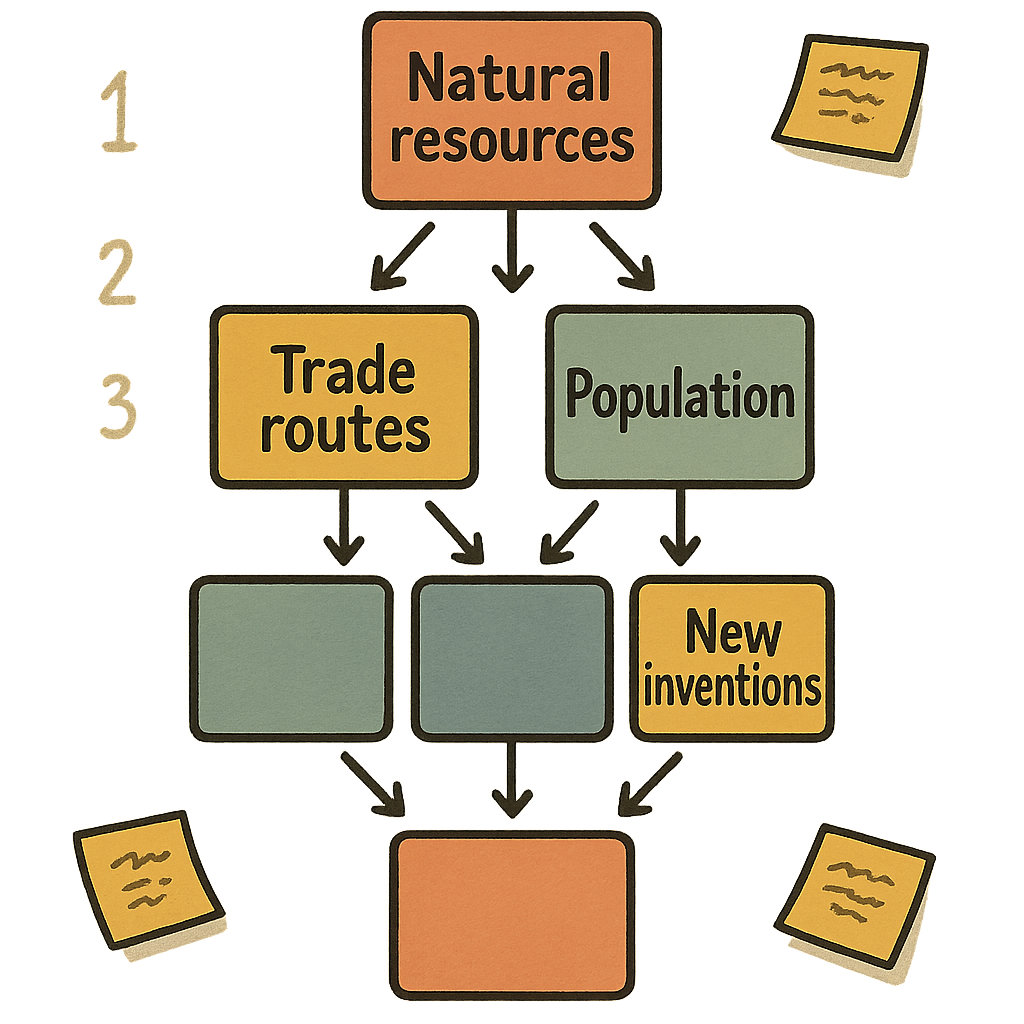
Living Graphs
An interactive graph where learners place statement cards at the correct position on pre-labelled axes, exploring cause and effect, change over time, and spatial relationships.
Visual organisers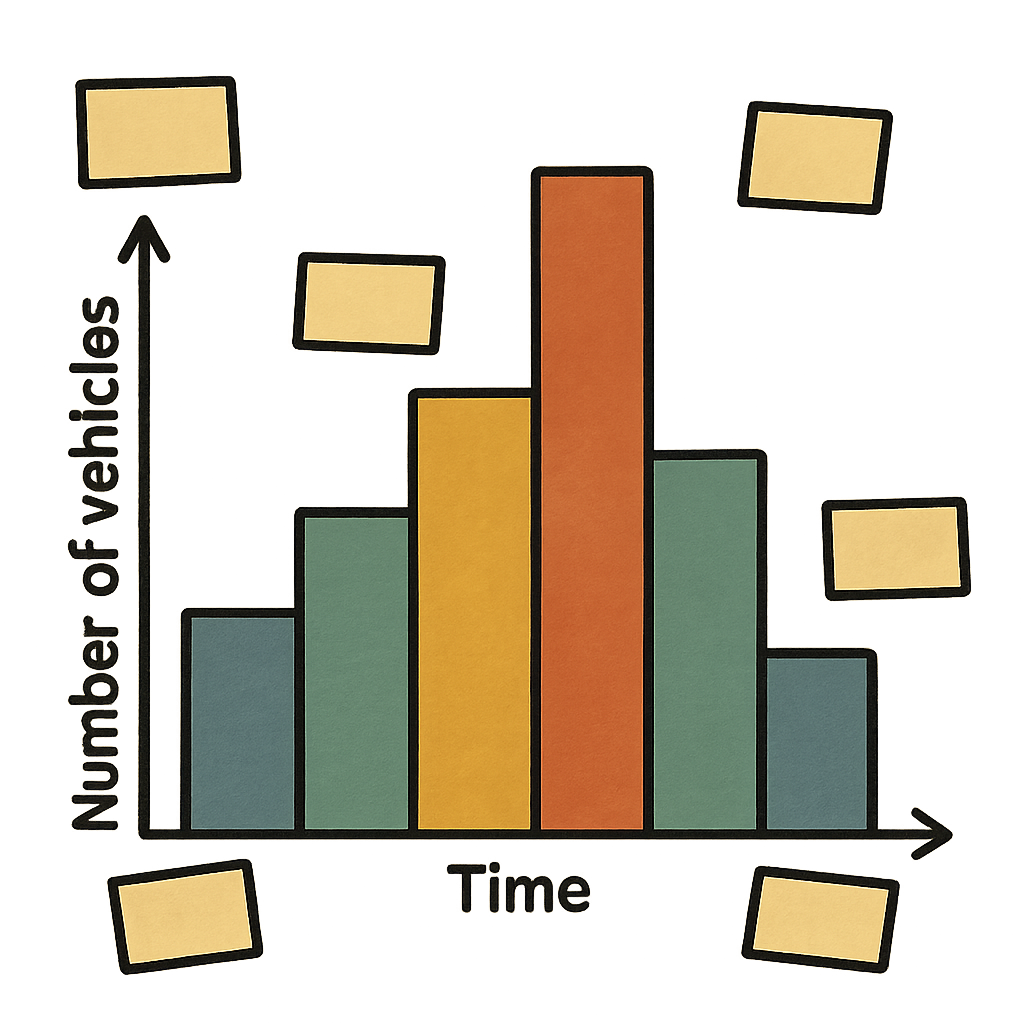
PMI Diagram
A structured evaluation tool where learners consider the Plus, Minus and Interesting aspects of an idea, preventing snap judgements by requiring deliberate consideration of multiple perspectives.
Ranking & sorting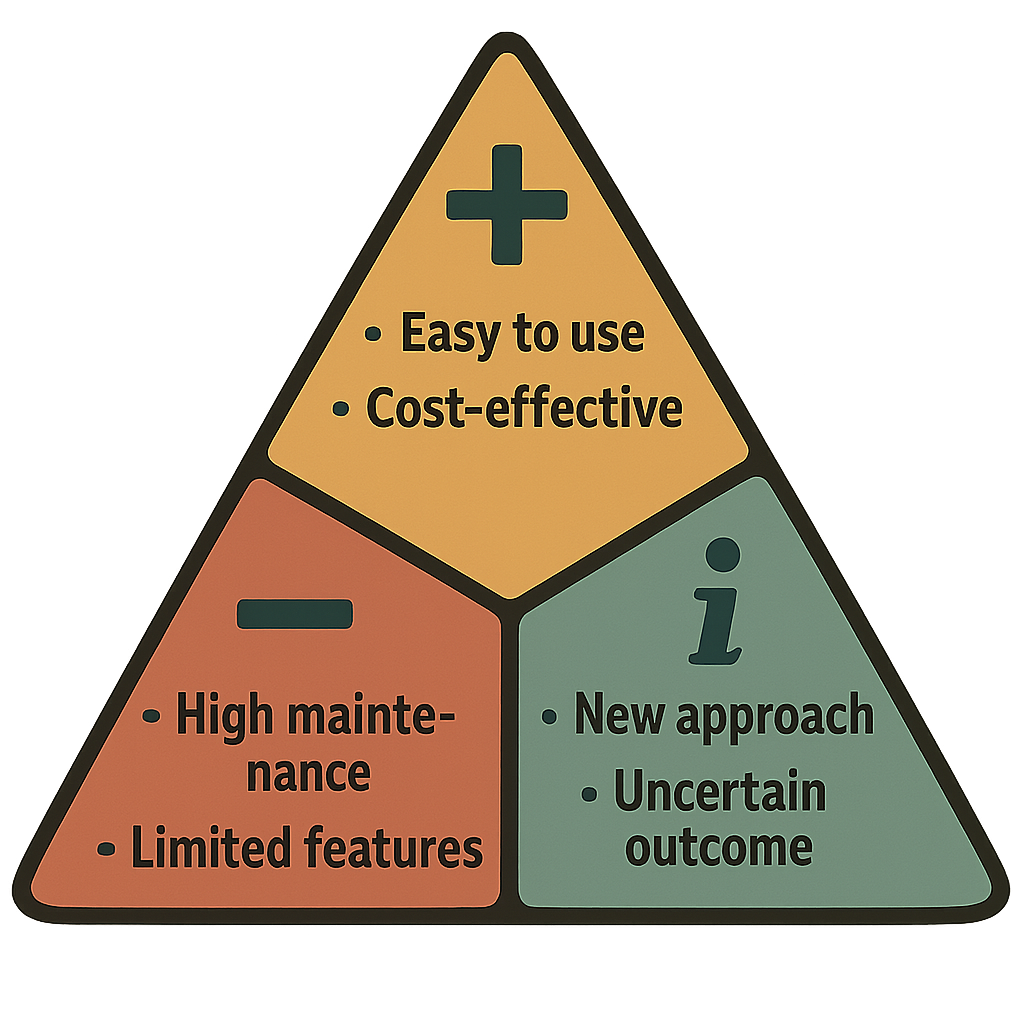
Pros and Cons
A simple evaluation framework where learners list the advantages and disadvantages of an idea, decision, or course of action, developing balanced judgement and argumentation skills.
Ranking & sorting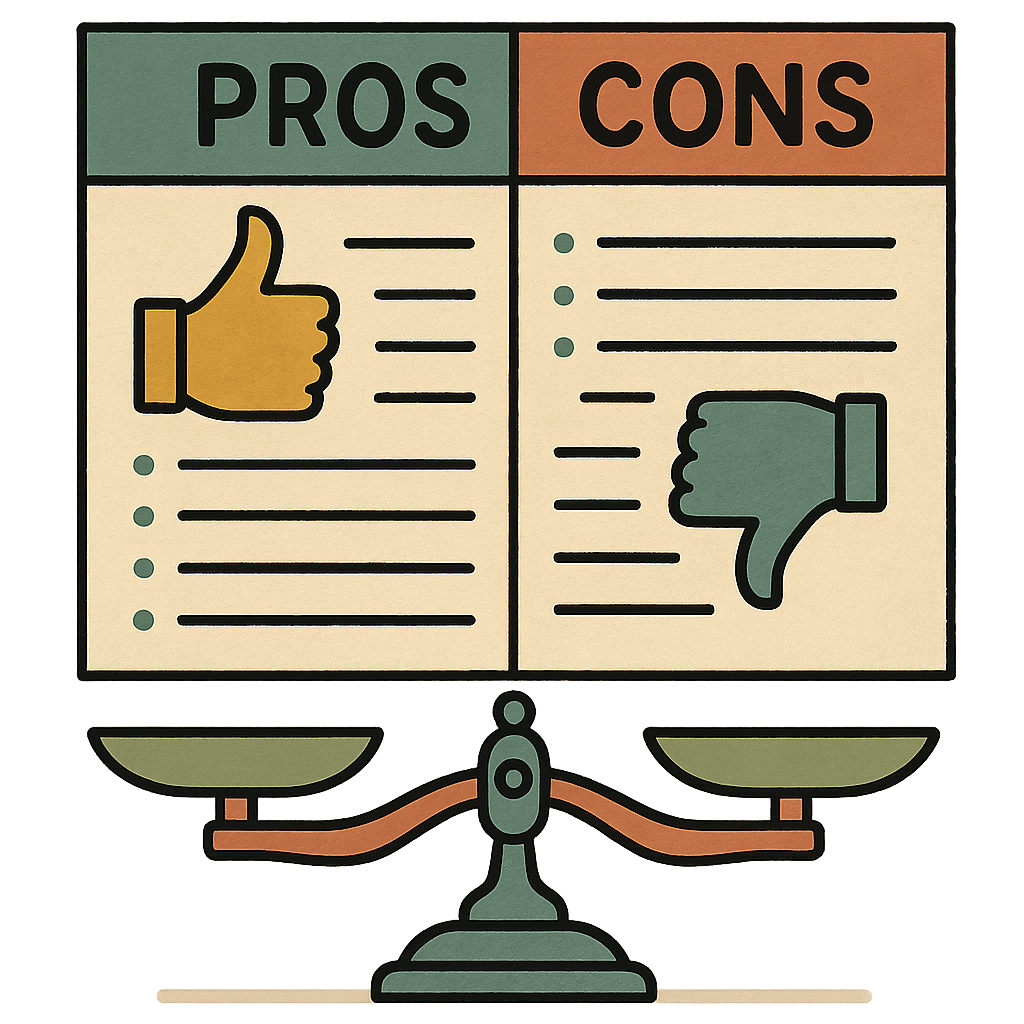
Think-Pair-Share
A three-stage discussion framework where learners first think individually, then discuss with a partner, then share with the wider group, ensuring all learners engage with the question before whole-class discussion.
Discussion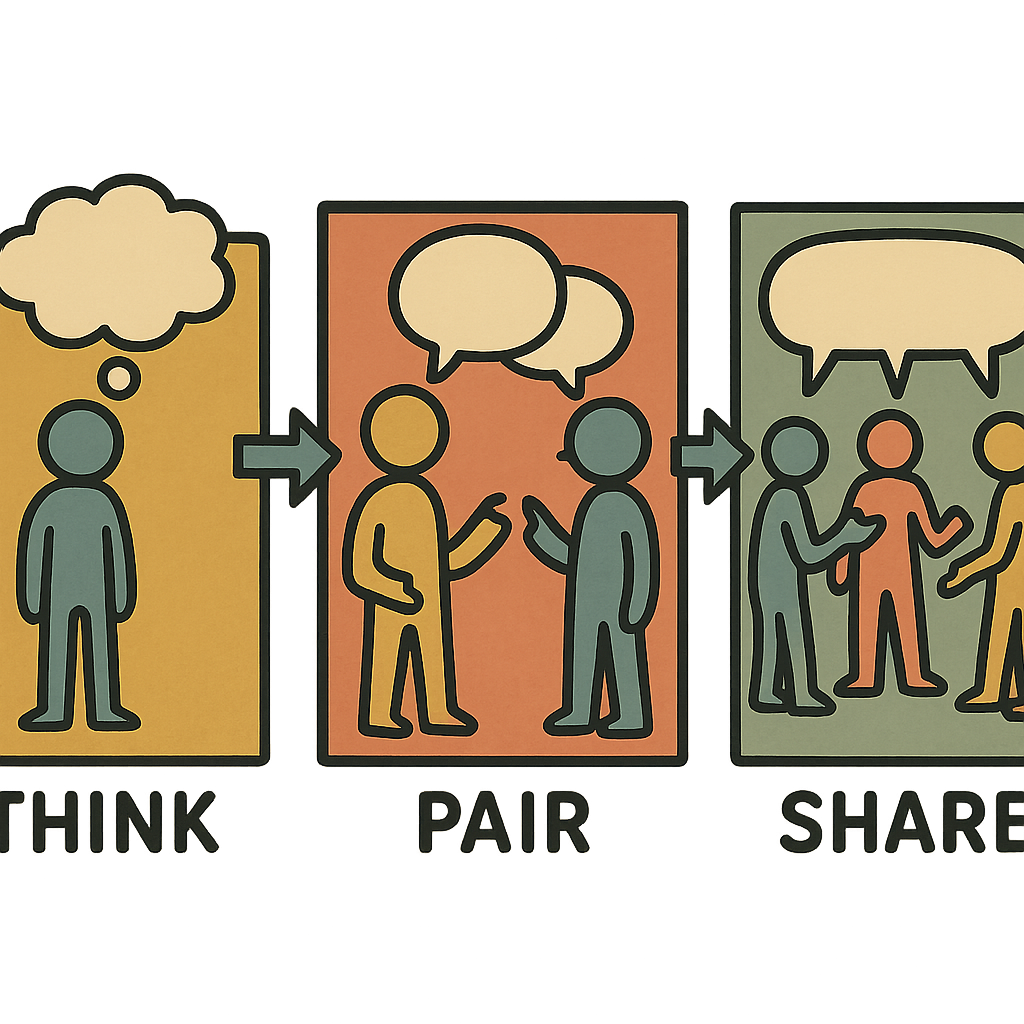
Traffic Lighting
A self-assessment system where learners indicate their understanding using traffic light colours: green (confident), amber (partly confident), and red (not confident), providing instant visual feedback to teacher and learner.
Assessment for learning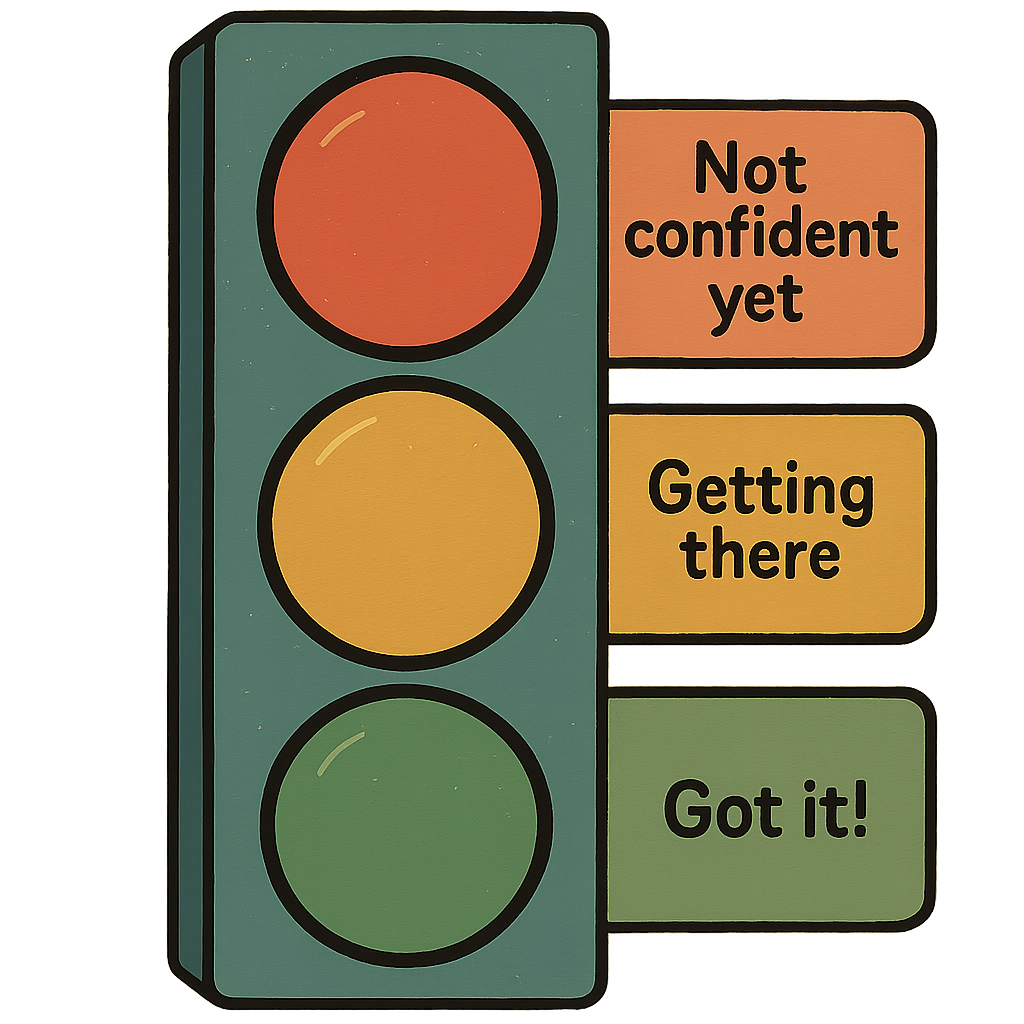
Common questions about Health and Well-being
No. Hwb says RSE is statutory in the Curriculum for Wales and mandatory for all learners aged 3 to 16. A school's curriculum must accord with the RSE Code.
Parents have no right to withdraw. The High Court confirmed this when it upheld the RSE Code and guidance in R (Isherwood) v Welsh Ministers [2022] EWHC 3331 (Admin).
Talk openly with parents and carers about what RSE covers in each phase. Explain that the Code requires RSE to be developmentally appropriate. Younger learners learn general consent as groundwork for sexual consent, which comes at the developmentally appropriate time in the phase from age 11.
You design your own RSE within the mandatory RSE Code issued under the Curriculum and Assessment (Wales) Act 2021. It applies to all learners from ages 3 to 16. It has three strands: relationships and identity; sexual health and well-being; and empowerment, safety and respect. It sets mandatory content in three broad phases, from age 3, from age 7 and from age 11. Learners are taught general consent in the first two phases before sexual consent in the third. RSE must be developmentally appropriate, inclusive (including LGBTQ+ lives), and objective, critical and pluralistic. Hwb says the Health and Well-being principles of progression offer guidance on progression in RSE. Revisit each strand with growing depth.
Health and Well-being is a full Area of Learning and Experience. Hwb calls it "an entirely new element of the curriculum in Wales". It rests on five statements of what matters: physical health, mental health, decision-making, social influences and healthy relationships. Its fundamental components are physical health and development, mental health, and emotional and social well-being. Progression runs from ages 3 to 16. Hwb expects a whole-school approach, so well-being runs through school life as well as planned lessons. Map your existing PSE units against the five statements and plan for any gaps. RSE follows its own RSE Code.