Last updated on 10 November 2026
Languages, Literacy and Communication

Languages, Literacy and Communication

Overview

Languages, Literacy and Communication is one of six Areas of Learning and Experience in the Curriculum for Wales. It covers Welsh, English, international languages and literature, and has four statements of what matters. Hwb (the Welsh Government's digital learning platform, where the curriculum guidance lives) gives British Sign Language (BSL) its own descriptions-of-learning strand. The other strands are Welsh/English, Welsh in English-medium settings and international languages.

Hwb describes the Area as covering "fundamental aspects of human communication". Learners listen, speak, read, write, interact and mediate between languages. Hwb asks schools to address the four statements holistically, so learners explore languages in relation to one another. Knowing one language helps with the next. The aim is citizens of a bilingual Wales in a multilingual world.

Two mandatory elements sit here. Under the Curriculum and Assessment (Wales) Act 2021, Welsh is mandatory for every learner aged 3 to 16 in every school. English is mandatory from age 7. Headteachers decide whether and how far to introduce it between 3 and 7, to support Welsh immersion in the early years. Your school decides how to organise teaching within the Area. Under the statements of what matters Code, made under the same Act, your curriculum must include all four statements. Hwb's guidance says literacy, including phonics, should be taught explicitly here. Read the Languages, Literacy and Communication guidance on Hwb.

What does Languages, Literacy and Communication look like in practice?

Welsh

Reception learners in English-medium settings across Newport run a class caffi. They order food, ask for prices and say how they feel in Welsh. The teacher listens for the moment learners choose to talk to each other in Welsh without a prompt. It is early work on the Expressing ourselves statement.

English

Year 6 learners in Welsh-medium settings compare how one news story about the Menai Strait and Caernarfon is reported in English and Welsh. They mark where the reports differ and decide which they trust more, and why. It serves the Understanding languages statement.

International languages

A Year 7 class in Aberystwyth learning Spanish explores place names and short texts from Y Wladfa, the Welsh settlement in Patagonia. Learners hunt for words that look alike across Welsh, English and Spanish and explain what they notice. It serves the Languages connect us statement.

Literature

Year 11 learners in Swansea perform extracts of Dylan Thomas, then compare how sound and rhythm shape meaning in a poem by T.H. Parry Williams. They finish by drafting a short piece of their own using one technique they admired. It serves the Literature statement.

British Sign Language

Year 3 learners in resource bases for deaf learners across Cardiff watch a BSL poem and a short piece of visual vernacular. They then say what they liked and what the signer showed with face and hands. It serves the Literature statement, through the BSL strand.

Statements of what matters

The 4 statements below are the official wording from the Curriculum for Wales. Together they set out the big ideas learners should come to understand in Languages, Literacy and Communication.

Languages connect us
Languages link learners to people, places and communities, and to their own and others' cultural identity. Plan for pride in belonging to Wales and the world, and for noticing how languages relate, change and differ. Hwb names mediation, adaptability and empathy. Read it on Hwb
Understanding languages is key to understanding the world around us
This is the receptive side. Learners make sense of what they hear, read and see in a range of forms and genres. Plan for them to become unbiased, critical interpreters who ask how reliable a text is and why it was made. Read it on Hwb
Expressing ourselves through languages is key to communication
This is the productive side. Learners adapt language across roles, genres, forms, media and styles in a suitable register. For Welsh and English this includes speaking and writing. Plan for learners to rework one message for two audiences and explain their choice of language and register. Read it on Hwb
Literature fires imagination and inspires creativity
Learners meet literature in all its forms as listeners, viewers, readers, narrators and creators. Choose diverse texts that show the culture, people and history of Wales and the wider world. Plan for a lifelong love of literature. Read it on Hwb

Progression in Languages, Literacy and Communication

Progression step 1

Around the end of reception, about age 5, learners play with sounds, build early grapheme-phoneme knowledge and say "I can segment and blend". They share books like a reader, retell stories, join in with songs and rhymes, make marks and write familiar words. They begin to take turns in conversation. In English-medium settings, the Welsh strand has learners follow simple instructions and choose to talk with their peers in Welsh. International languages have no descriptions yet.

Progression step 2

About age 8, around Year 3, learners decode using grapheme-phoneme correspondences, read with growing fluency and say "I can infer meaning from text and images". They speak clearly for different purposes, spell common irregular words, write legibly and review their own work. With literature they retell creatively and begin to show empathy with characters. Languages connect us adds early awareness of Welsh identity. International languages appear as experience. Learners have heard them being used.

Progression step 3

Around Year 6, about age 11, learners summarise, use inference and deduction, and consider the reliability of what they read. They adapt vocabulary, idiom and tone to an audience and structure arguments. They say "I can recognise and respect different accents and dialects" and begin to see how languages evolve. In literature they discuss plot, character and theme with evidence. Learning in international languages starts properly here, with high-frequency words and familiar phrases.

Progression step 4

About age 14, around Year 9, learners analyse implied ideas, summarise and synthesise information, and weigh its reliability and impact. They adapt language for a range of audiences and challenge others' views with confidence and sensitivity. In literature they compare key ideas using relevant terminology. They use etymology and say "I can apply my translanguaging skills to support my learning in familiar and new languages". In English-medium schools, much of the Welsh learning described at step 3 for Welsh-medium learners arrives here.

Progression step 5

Around Year 11, about age 16, learners evaluate the reliability, validity and impact of what they hear and read, and convey meaning so that the audience is fully engaged. They reflect critically on their own language, communicate in challenging and contentious contexts and craft their own literary work. The step's clearest anchor is identity. "I can communicate, interact and mediate in multiple languages and identify myself as multilingual".

How does Languages, Literacy and Communication relate to the four purposes?

Ambitious, capable learners

Hwb describes ambitious, capable learners as able to "communicate effectively in different forms and settings, using both Welsh and English". This Area does that work most directly. Explicit teaching of phonics, reading and writing gives learners the tools. The plurilingual approach teaches them to carry what they know about one language into the next. Hwb notes that skills in a first and second language enable learning in later ones.

Enterprising, creative contributors

Hwb's guidance asks for opportunities to experiment with and use languages creatively. Learners gain the confidence to take risks, express opinions and generate ideas across languages. Creating and performing literature, writing for a real audience and choosing the right register build contributors who can express ideas well in more than one language.

Ethical, informed citizens

The Understanding statement asks learners to become unbiased, critical interpreters of what they hear, read and see. This is citizenship work. Learners judge reliability, spot persuasion and respond to views they disagree with, with confidence and sensitivity. Learning Welsh and exploring the other languages spoken in the classroom builds knowledge of the culture and communities of Wales and respect for other people's.

Healthy, confident individuals

Hwb's guidance links reading and writing for pleasure to a learner's sense of well-being. It says the empathy learners build through literature can contribute to their emotional and mental well-being. Taking turns in conversation, expressing feelings and opinions, and growing a secure sense of linguistic identity help learners become confident individuals who can speak up for themselves.

Cross-cutting themes

Local, national and international contexts

Hwb asks learners to reflect on their personal and local linguistic heritage and develop a sense of linguistic identity within their locality, Wales and the wider world. Place names are a practical way in. Hwb's examples include Cymru, Glasgow and Trelew in Argentina. A study of the street and farm names around school works at any step.

Careers and work-related experiences

Hwb asks schools to develop an understanding of literacy in the workplace, including the vocabulary of work. Learners should also know about the growing demand for Welsh in the workplace as Wales works towards a million Welsh speakers by 2050. A bilingual local employer talking to a class about their day makes that concrete.

Human rights education and diversity

Hwb calls multilingualism in the classroom "an opportunity to raise learners' awareness of diversity" and a way to promote the cultural wealth of the school and community. Supporting home languages builds trust and respect across languages and cultures. The BSL guidance adds a section on human rights and children's rights, referring to the UNCRC.

Relationships and sexuality education

Hwb notes that speaking, listening, responding and building empathy are fundamental to all RSE issues. Literature and media offer safe, inclusive ways in. For example, explore body image or relationship stereotypes in cartoons, films, poetry, fiction and documentaries. Choose texts that suit the age of the class.

Cross-curricular skills

Literacy

Hwb says literacy "should be at the heart of this Area" and should be explicitly taught here. Every teacher shares responsibility for developing literacy. Other Areas build their own disciplinary literacy. This Area teaches reading, writing and phonics systematically. The Literacy and Numeracy Framework is non-statutory supporting guidance.

Numeracy

Hwb points to worded problems, where literacy and numeracy work together. It also points to exploring numeracy in different languages to consolidate conceptual understanding. In the early years, songs and rhymes can teach counting in Welsh, English and any home language in the room.

Digital competence

Learners use different methods of digital communication. They learn to compose clear, appropriate messages for particular audiences. They collaborate locally and globally through digital platforms. BSL learners communicate remotely in BSL and create their own digital BSL materials. The Digital Competence Framework is non-statutory supporting guidance.

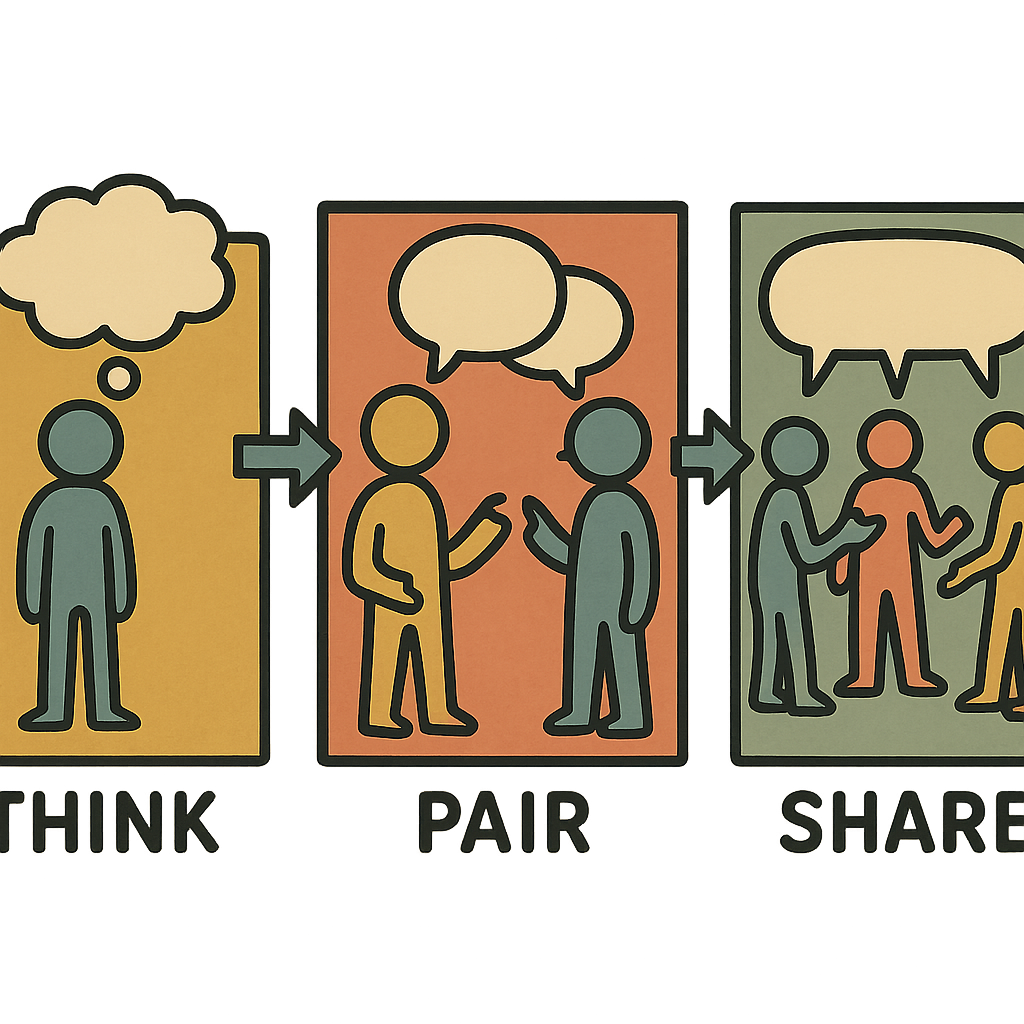
Thinking tools for Languages, Literacy and Communication

Practical classroom strategies that develop thinking skills across Languages, Literacy and Communication. Each tool is ready to use in your next lesson.

Common questions about Languages, Literacy and Communication

Yes. You may teach Welsh, English and international languages as separate subjects with specialist teachers, especially in secondary. Hwb's guidance for Languages, Literacy and Communication sets no timetable. Your school designs its own curriculum.

Whatever the structure, your curriculum must include all four statements of what matters. It must include Welsh for every learner from 3 to 16 and English from age 7 (Curriculum and Assessment (Wales) Act 2021). Hwb asks you to address the statements holistically. Explore different languages in relation to one another. Plan the connections. Compare the same text in Welsh and English. This helps learners see how each language works.

International languages are part of Languages, Literacy and Communication, alongside Welsh and English. They are not mandatory under the Curriculum and Assessment (Wales) Act 2021. Hwb guidance says all learners "should have the opportunity to learn at least one international language at school" and should use the home and community languages they already speak. The descriptions of learning start at progression step 3 (around Year 6). At step 2, learners have experience of hearing international languages. The school or cluster chooses the language. Hwb notes that BSL can be introduced as an international language. Teach learners to carry what they know about Welsh and English into each new language.

Use Hwb's "Welsh in English medium settings/schools/streams" descriptions of learning. Start with purposeful use, such as routines, role play, songs and stories. Learners choose to talk to each other in Welsh. Then build towards reading, planning and writing for different audiences.

Welsh is mandatory for every learner from 3 to 16. This applies in English-medium and Welsh-medium schools (Curriculum and Assessment (Wales) Act 2021). The strand follows the same statements of what matters at a different pace. Some descriptions arrive a step later than in Welsh-medium schools. Hwb asks settings to choose the Welsh descriptions that suit their learners. A child who attended a cylch meithrin may suit the Welsh-medium pace.

The other Areas of Learning and Experience