Last updated on 10 November 2026
Expressive Arts
Overview
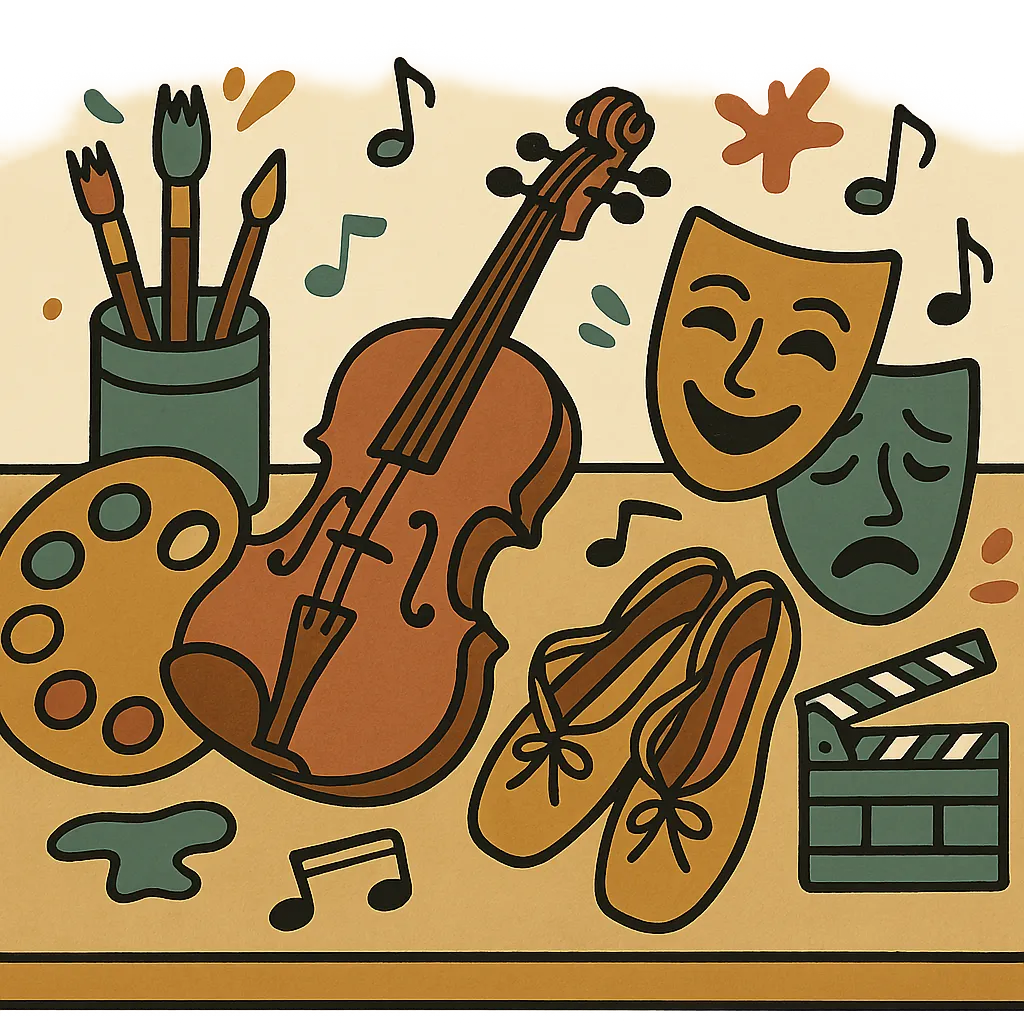
Expressive Arts is one of six Areas of Learning and Experience in the Curriculum for Wales. It covers art, dance, drama, film and digital media, and music. It has three statements of what matters. Each discipline has its own knowledge and skills. Hwb (the Welsh Government's digital learning platform, where the curriculum guidance lives) says they share the creative process.
The statements describe exploring, responding and reflecting, and creating. Hwb says they support each other and should not be taught in isolation. Learners meet the arts of Wales and the wider world as makers and audience. They build creative, artistic and performance skills. The guidance wants the arts to be accessible to every learner.
Schools decide how to organise teaching. Hwb accepts integrated, multidisciplinary, interdisciplinary or disciplinary approaches. Separate art and music lessons and cross-arts projects both work. The guidance asks for broad, balanced and equitable opportunities in all five disciplines from age 3 to 16. Read the Expressive Arts guidance on Hwb.
What does Expressive Arts look like in practice?
Art
Dance
Drama
Film and digital media
Music
Statements of what matters
The 3 statements below are the official wording from the Curriculum for Wales. Together they set out the big ideas learners should come to understand in Expressive Arts.
Exploring the expressive arts is essential to developing artistic skills and knowledge and it enables learners to become curious and creative individuals
Responding and reflecting, both as artist and audience, is a fundamental part of learning in the expressive arts
Creating combines skills and knowledge, drawing on the senses, inspiration and imagination
Progression in Expressive Arts
Progression step 1
Progression step 2
Progression step 3
Progression step 4
Progression step 5
How does Expressive Arts relate to the four purposes?
Ambitious, capable learners
Enterprising, creative contributors
Ethical, informed citizens
Healthy, confident individuals
Cross-cutting themes
Local, national and international contexts
Careers and work-related experiences
Human rights education and diversity
Relationships and sexuality education
Cross-curricular skills
Literacy
Numeracy
Digital competence
Thinking tools for Expressive Arts
Practical classroom strategies that develop thinking skills across Expressive Arts. Each tool is ready to use in your next lesson.
Diamond Ranking
A prioritisation tool that gets learners discussing and defending what matters most, arranging ideas into a diamond shape that forces real choices.
Ranking & sorting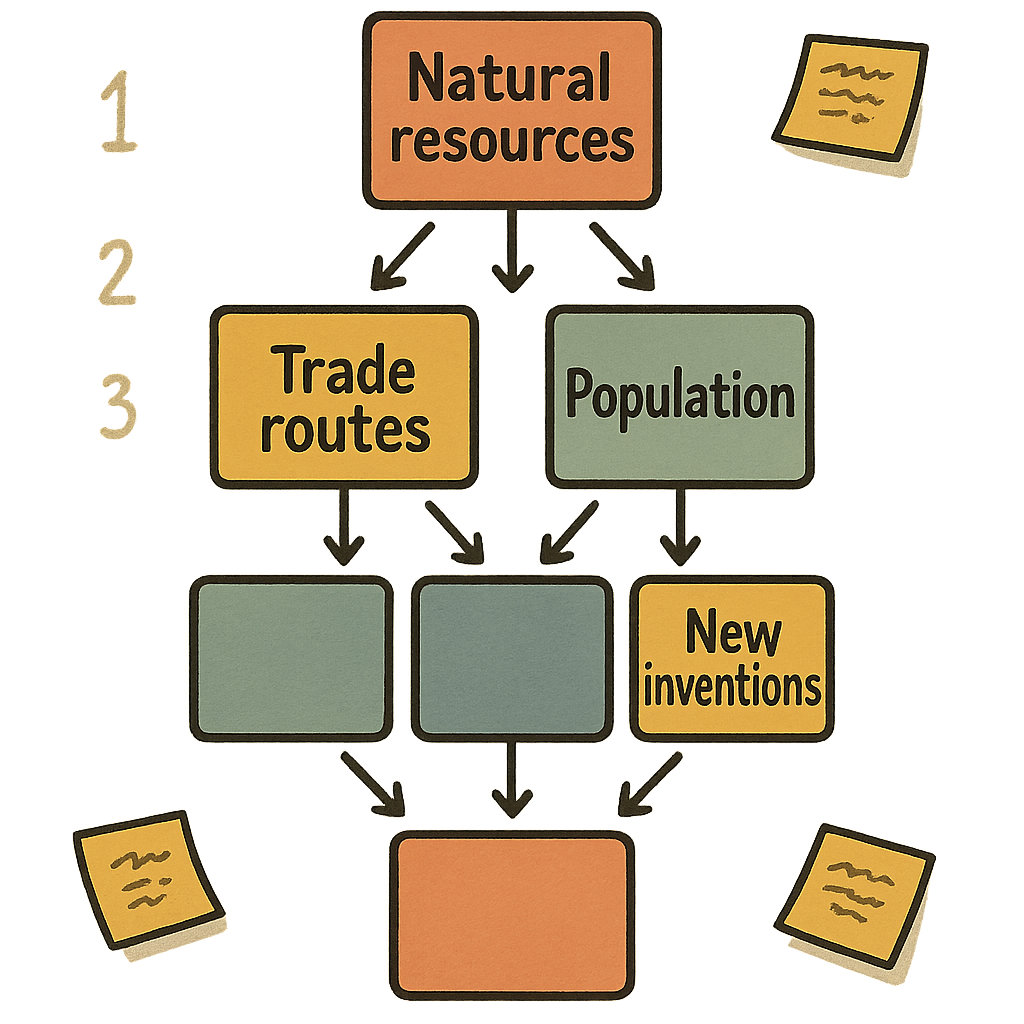
Hot Seating
A role-play activity where one learner takes on a character or expert role and the class asks them questions, developing both questioning skills and deeper understanding.
Discussion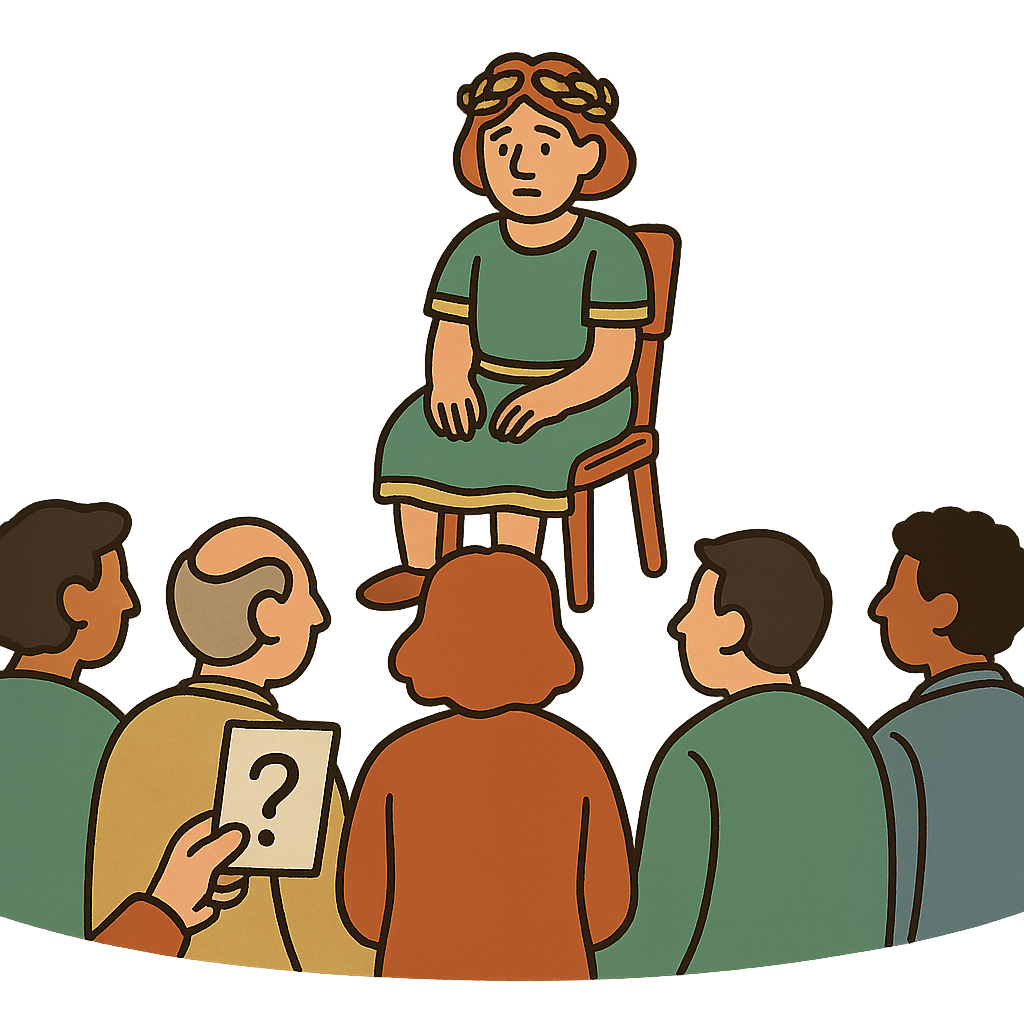
Odd One Out
A quick classification tool where learners choose which item doesn't belong in a set and, crucially, explain why.
Ranking & sorting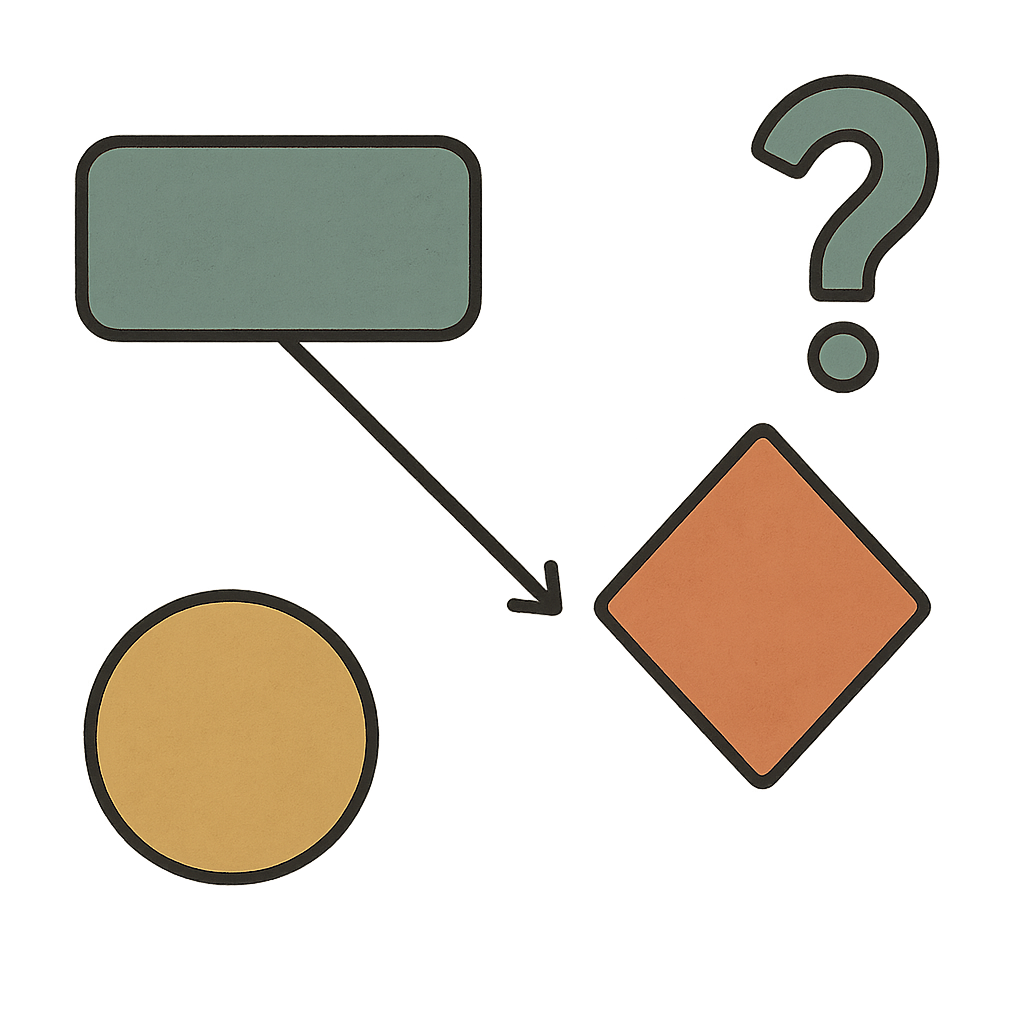
PMI Diagram
A structured evaluation tool where learners consider the Plus, Minus and Interesting aspects of an idea, preventing snap judgements by requiring deliberate consideration of multiple perspectives.
Ranking & sorting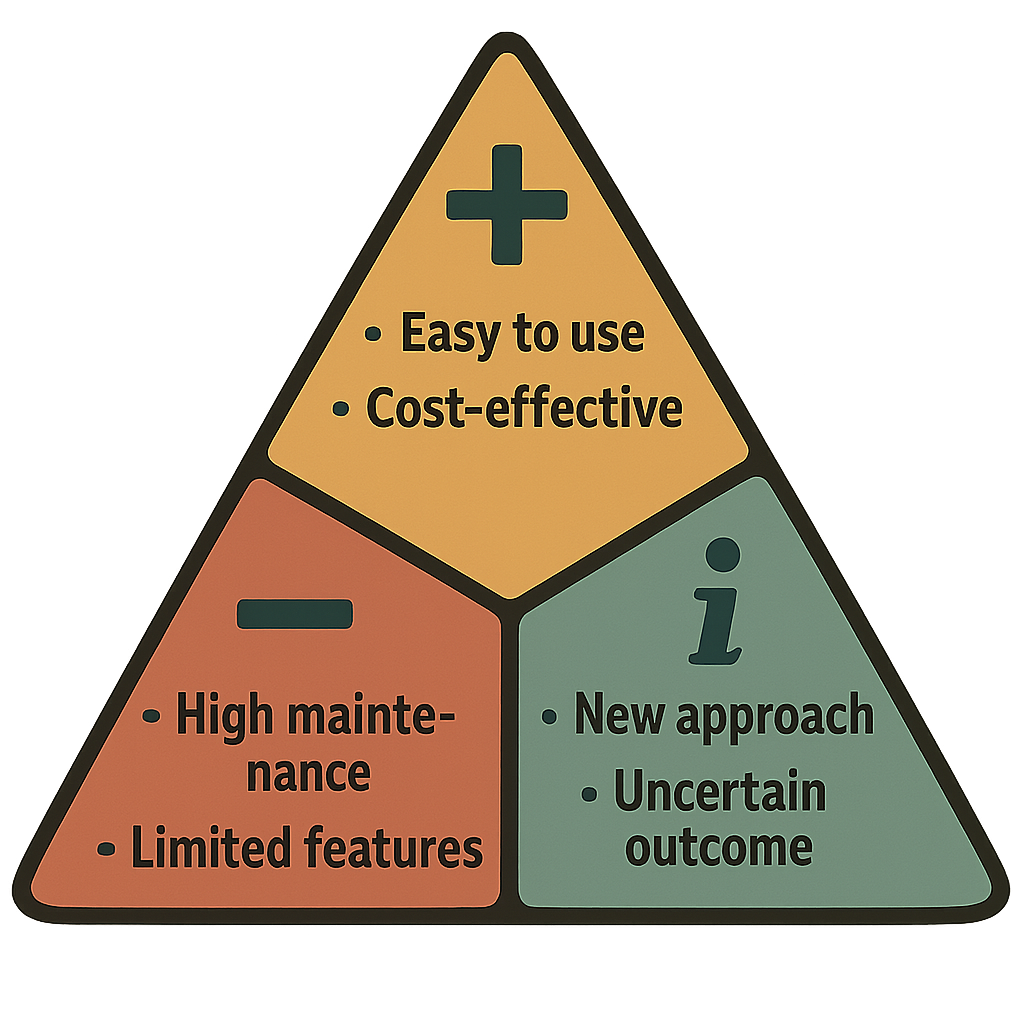
Think-Pair-Share
A three-stage discussion framework where learners first think individually, then discuss with a partner, then share with the wider group, ensuring all learners engage with the question before whole-class discussion.
Discussion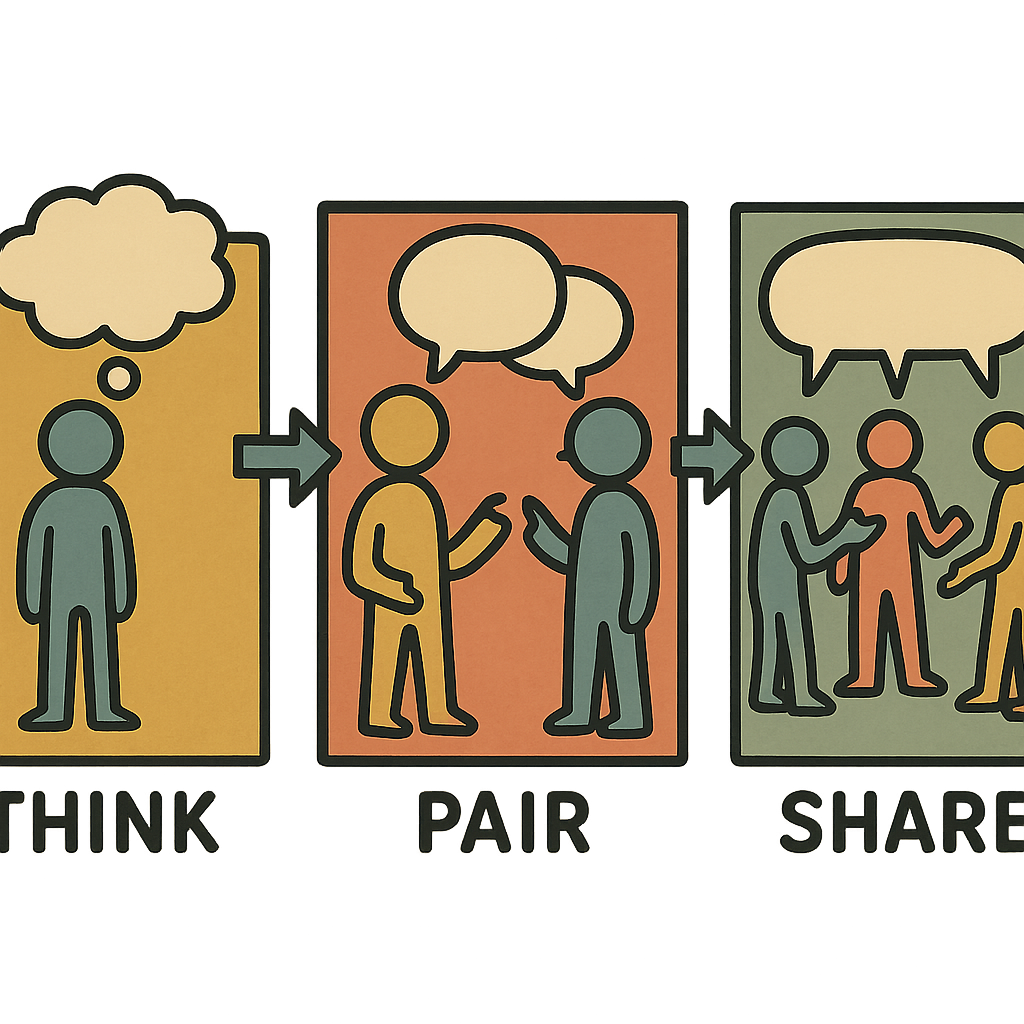
Two or Three Stars and a Wish
A feedback framework where learners identify two or three strengths (stars) in a piece of work and one area for improvement (a wish), creating balanced feedback that motivates and guides.
Assessment for learning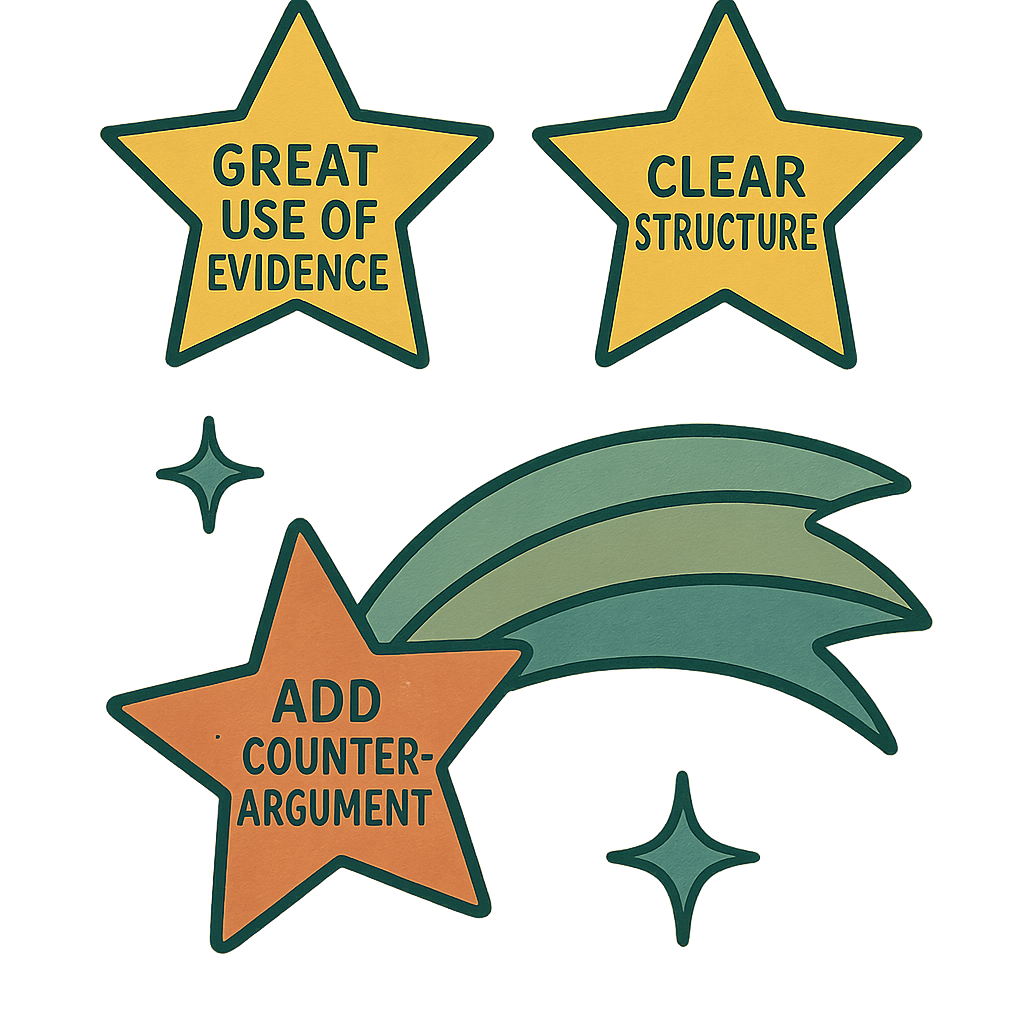
Common questions about Expressive Arts
Yes, you can. Hwb's guidance says a school may structure its curriculum through "an integrated, multidisciplinary, interdisciplinary or disciplinary approach". Each discipline has its own body of knowledge and skills. Discrete lessons in each discipline, cross-arts projects or a mix of the two all fit the guidance. Under the statements of what matters Code, made under the Curriculum and Assessment (Wales) Act 2021, your curriculum must include all three statements. The guidance asks for broad, balanced and equitable opportunities in all five disciplines across ages 3 to 16. It says the statements should not be taught in isolation. See the Expressive Arts designing guidance on Hwb.
Hwb's guidance links Expressive Arts to each of the other five Areas. Humanities uses art, music and theatre as evidence in enquiries. Work from other times and places, such as the Eisteddfod, builds cultural understanding. Languages, Literacy and Communication draws on performance poetry, drama, film, role play and song. Mathematics and Numeracy appears in counting, pattern, symmetry, scale and fractions in music. Health and Well-being treats creative movement and dance as physical activity. Science and Technology shares design thinking, materials and the science of waves in music. Plan these links on purpose. See the Expressive Arts designing guidance on Hwb.
Expressive Arts develops all four integral skills, plus literacy, numeracy and digital competence. Hwb's guidance calls the creative process "the essence of this Area". Learners take creative risks and accept failure as a learning experience. Evaluating their own and others' work builds critical thinking and problem-solving. Learners plan, set their own goals and manage resources. They develop self-confidence, independence and resilience. For cross-curricular skills, Hwb names inference and deduction, adapting language for audience and purpose, rhythm, pattern and scale, and digital skills from production technology to intellectual property. See the Expressive Arts designing guidance on Hwb.