Last updated on 10 November 2026
Humanities
Overview
Humanities is one of the six Areas of Learning and Experience in the Curriculum for Wales. It covers five disciplines: geography; history; religion, values and ethics (RVE); business studies; and social studies. It has five statements of what matters. Learners may also meet such disciplines as classics, economics, law, philosophy, politics, psychology and sociology, where appropriate.
Humanities is about people and the world. Learners study how the natural world works and how human actions change it. They study how societies are organised and led, and why the same events are told in different ways. Enquiry runs through the Area. Learners ask questions, weigh evidence and accept that some conclusions stay partial. The final statement asks them to use what they learn to take considered and ethical action.
Under the Curriculum and Assessment (Wales) Act 2021, RVE is mandatory in this Area for learners aged 3 to 16. Religious education was already compulsory. The scope now includes non-religious philosophical convictions. The parental right to withdraw has gone for ages 3 to 16. Statutory RVE guidance under section 71 of the Act says schools must have regard to their locally agreed syllabus. Otherwise, schools decide how to organise the Area. Hwb (the Welsh Government's digital learning platform) says design can be "integrated, multidisciplinary, interdisciplinary or disciplinary". Learners need a broad, balanced curriculum across all five disciplines. Read the Humanities guidance on Hwb.
What does Humanities look like in practice?
Geography
History
Religion, values and ethics
Business studies
Social studies
Statements of what matters
The 5 statements below are the official wording from the Curriculum for Wales. Together they set out the big ideas learners should come to understand in Humanities.
Enquiry, exploration and investigation inspire curiosity about the world, its past, present and future
Events and human experiences are complex, and are perceived, interpreted and represented in different ways
Our natural world is diverse and dynamic, influenced by processes and human actions
Human societies are complex and diverse, and shaped by human actions and beliefs
Informed, self-aware citizens engage with the challenges and opportunities that face humanity, and are able to take considered and ethical action
Progression in Humanities
Progression step 1
Progression step 2
Progression step 3
Progression step 4
Progression step 5
How does Humanities relate to the four purposes?
Ambitious, capable learners
Enterprising, creative contributors
Ethical, informed citizens
Healthy, confident individuals
Cross-cutting themes
Local, national and international contexts
Careers and work-related experiences
Human rights education and diversity
Relationships and sexuality education
Cross-curricular skills
Literacy
Numeracy
Digital competence
Thinking tools for Humanities
Practical classroom strategies that develop thinking skills across Humanities. Each tool is ready to use in your next lesson.
Big Questions
Open-ended, thought-provoking questions that push learners beyond simple recall into genuine problem-solving, reasoning and creative thinking.
Questioning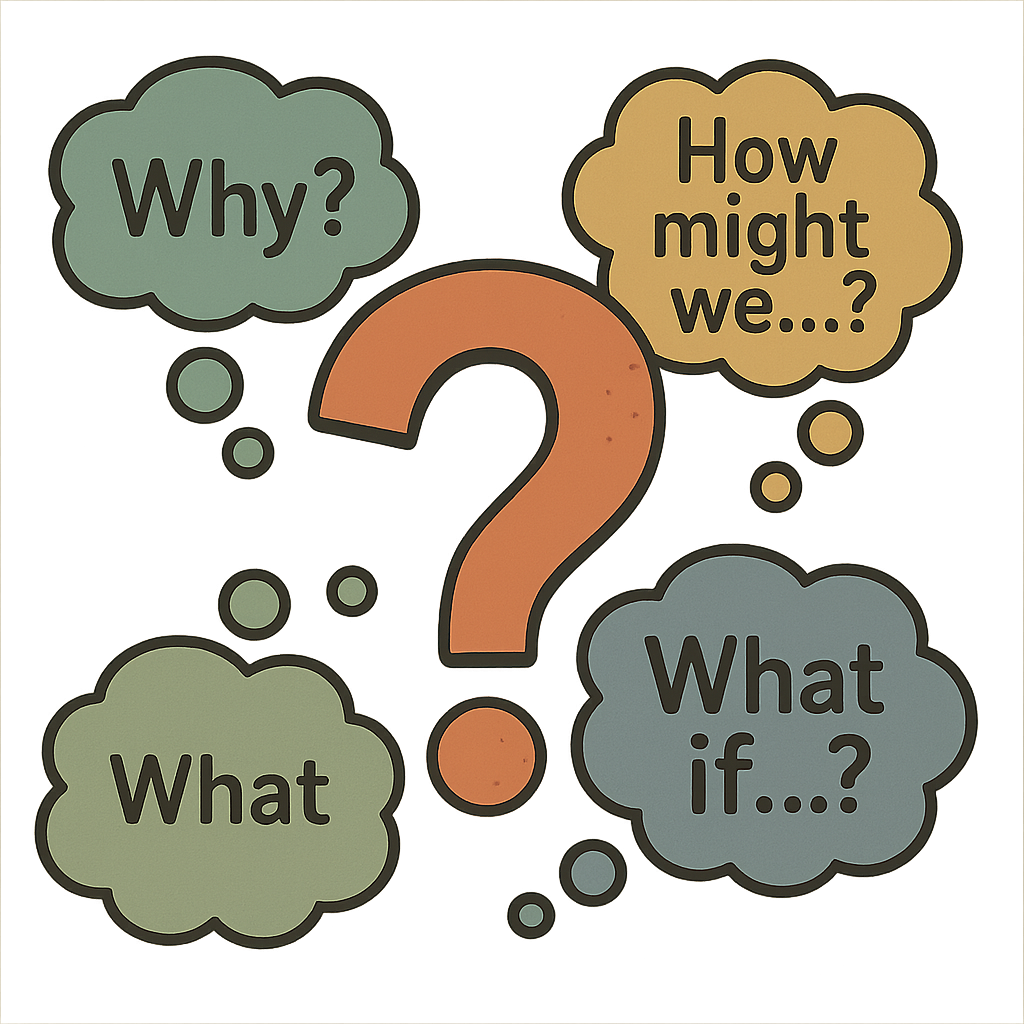
Diamond Ranking
A prioritisation tool that gets learners discussing and defending what matters most, arranging ideas into a diamond shape that forces real choices.
Ranking & sorting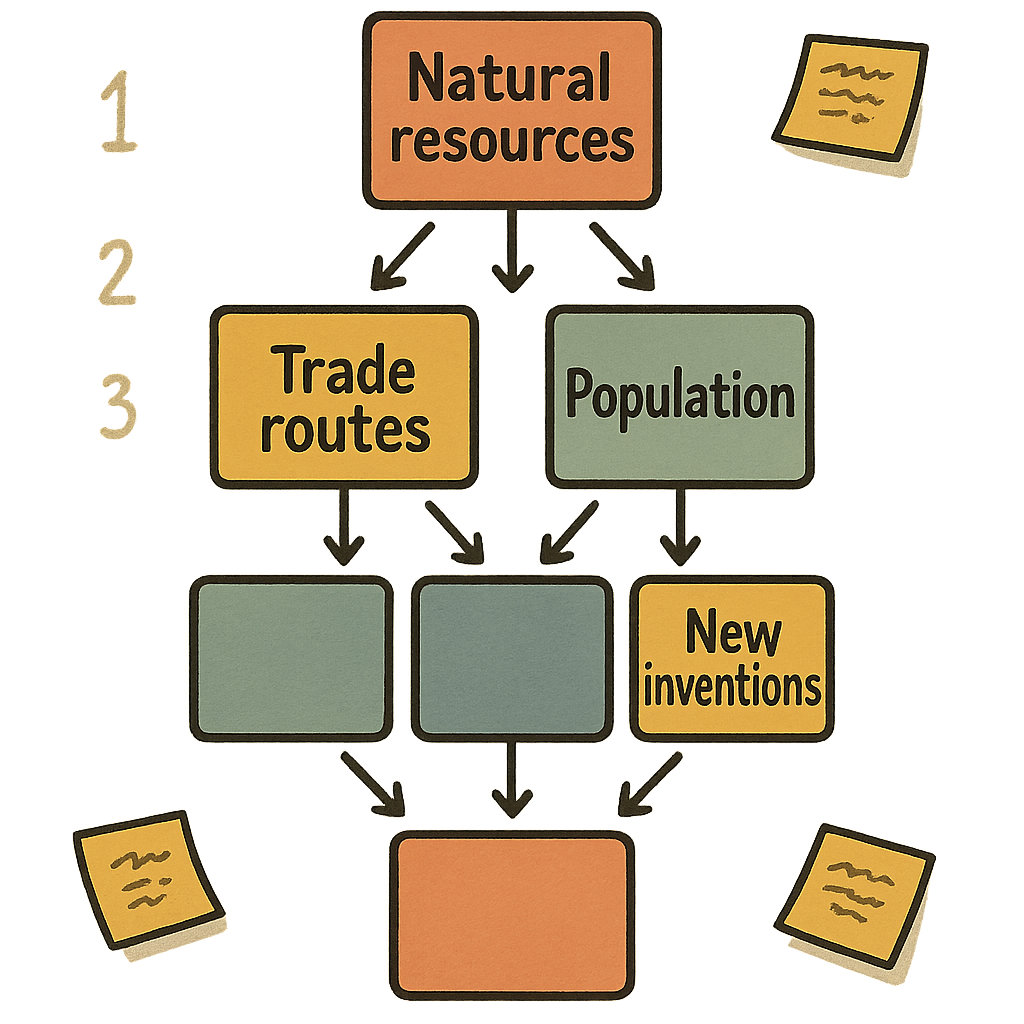
Fishbone Diagram
A graphical organiser shaped like a fish skeleton where causes branch off a central spine leading to an effect, helping learners map cause-and-effect relationships.
Visual organisers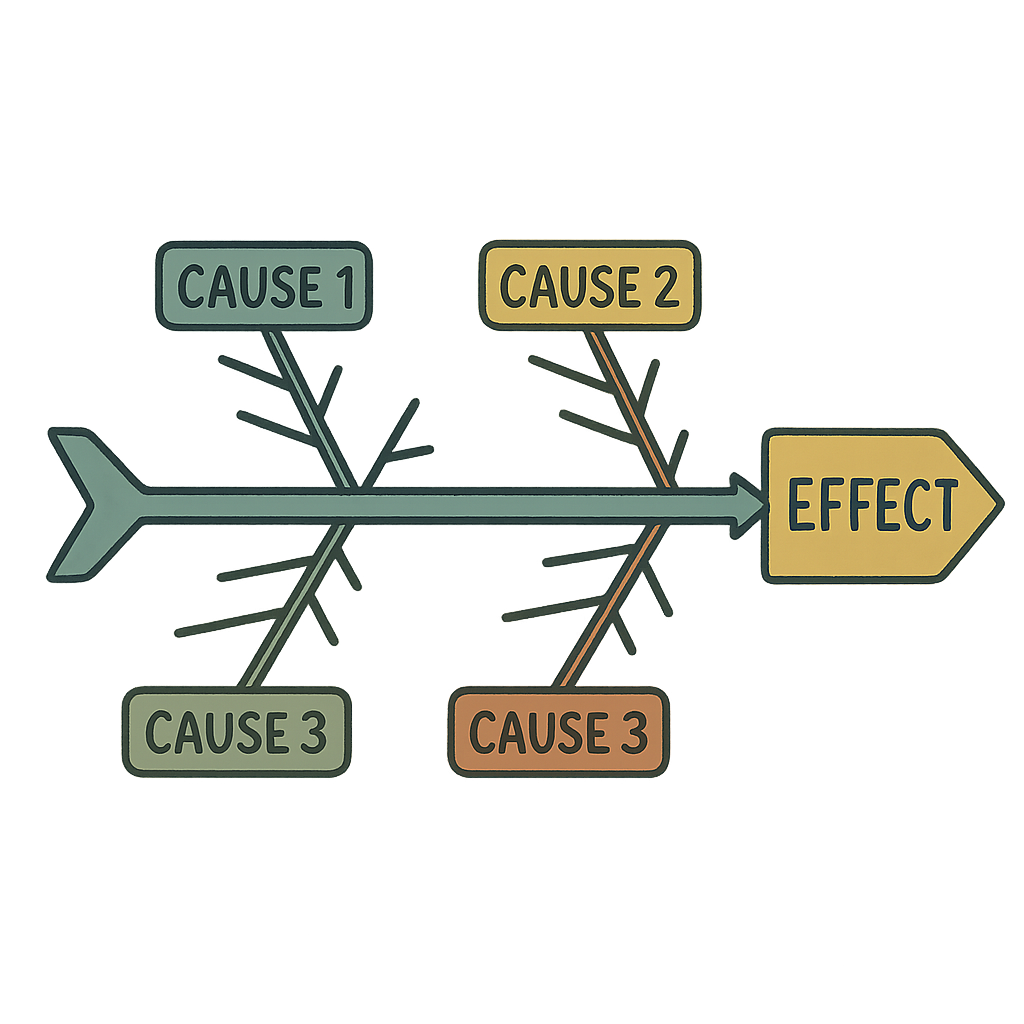
Living Graphs
An interactive graph where learners place statement cards at the correct position on pre-labelled axes, exploring cause and effect, change over time, and spatial relationships.
Visual organisers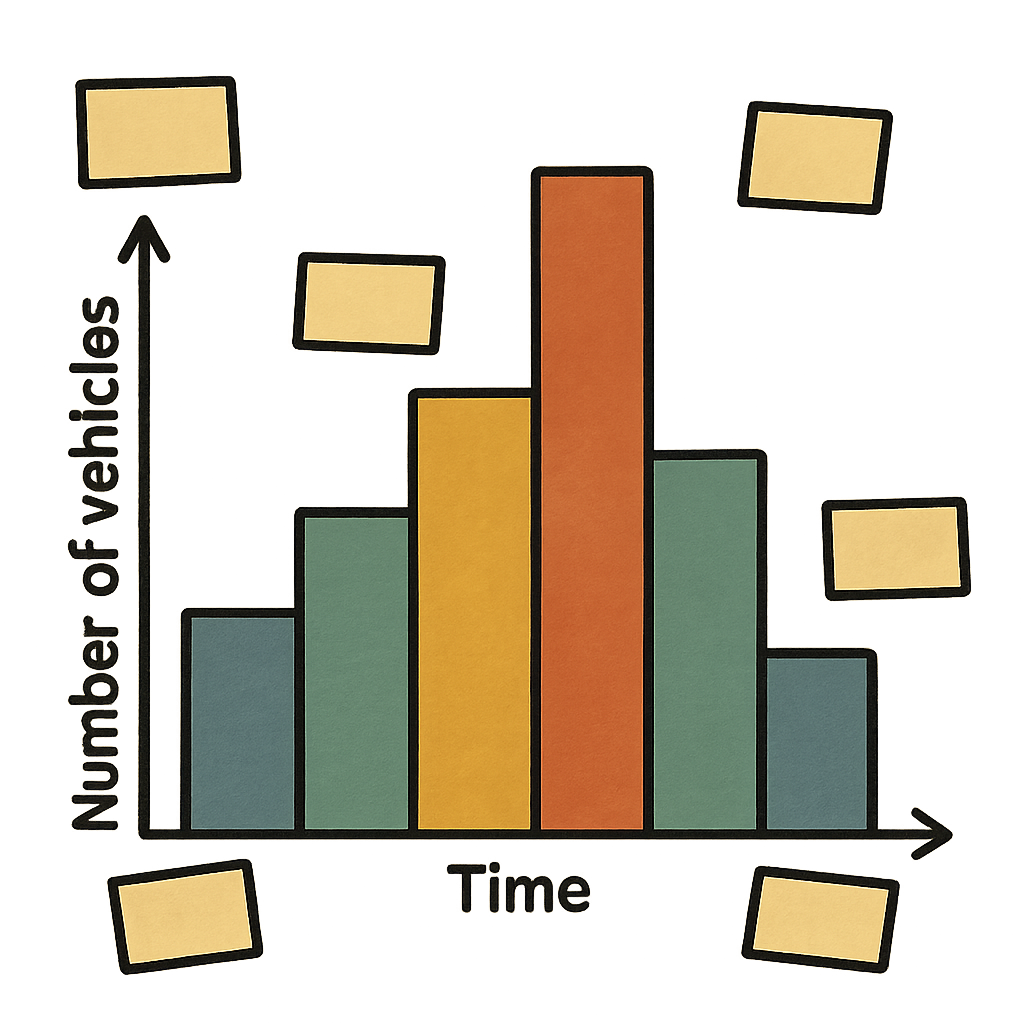
Mysteries
An inquiry activity where learners receive a set of information cards and must sort, connect and use them to solve an open-ended question, developing reasoning and evidence-handling skills.
Questioning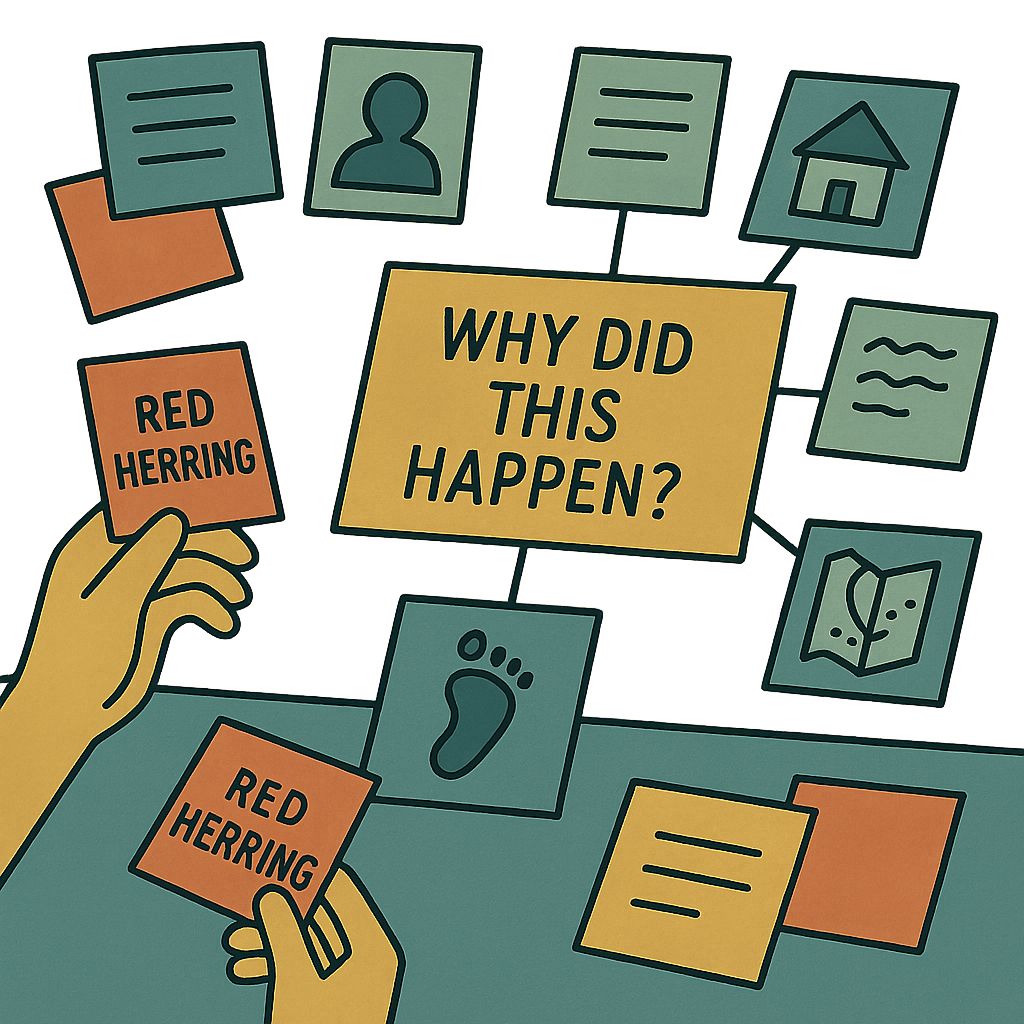
Source Square
A structured analysis tool where learners examine a source from four perspectives, each occupying one quadrant of a square: content, origin, purpose, and reliability.
Visual organisers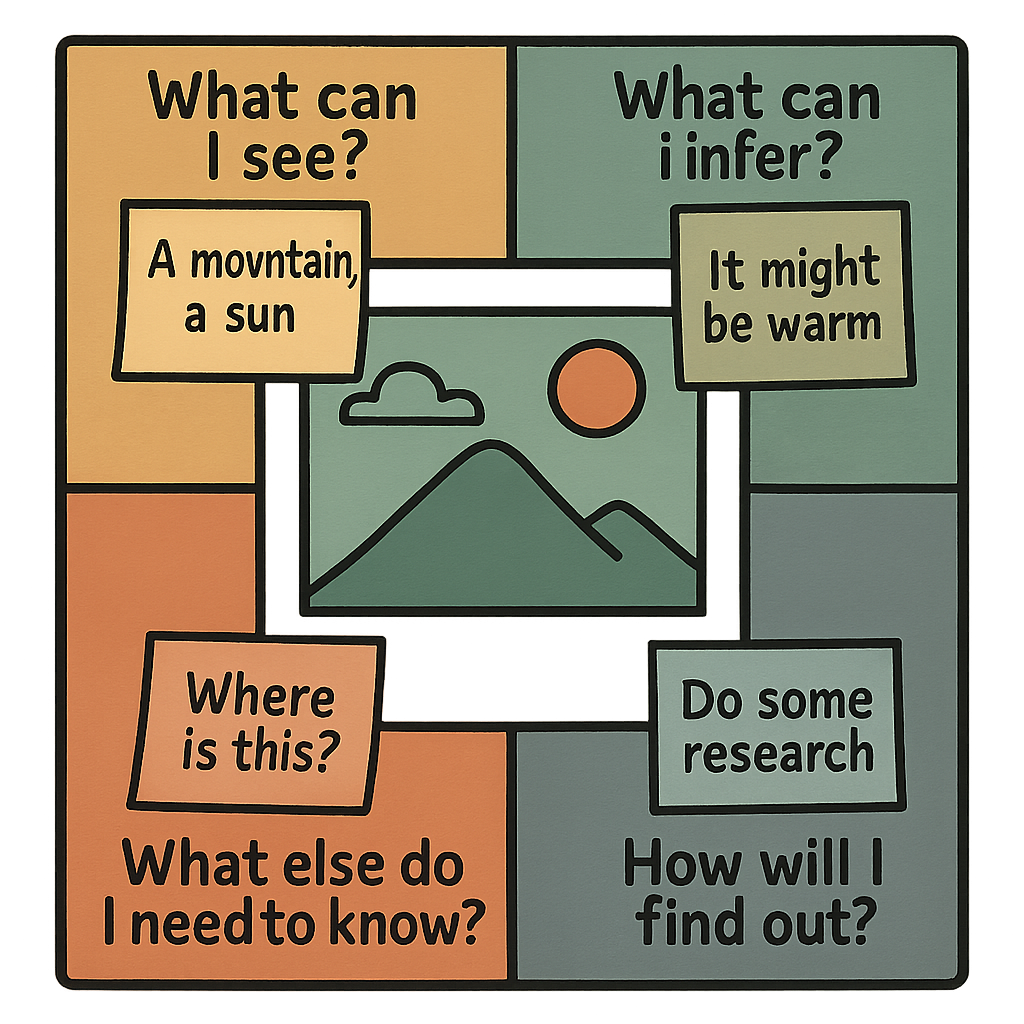
Common questions about Humanities
Your school decides. Hwb's guidance says curriculum design within Humanities can be "integrated, multidisciplinary, interdisciplinary or disciplinary". You may teach history, geography and RVE as distinct lessons, run enquiry projects across several disciplines, or mix the two.
Hwb asks for a broad and balanced curriculum linked to all five disciplines (history, geography, RVE, business studies and social studies) from 3 to 16. Statutory RVE guidance under section 71 of the Curriculum and Assessment (Wales) Act 2021 says schools must have regard to their locally agreed syllabus.
Start with your existing strengths. If your history and geography departments already work well together, build on that.
Yes. The Curriculum and Assessment (Wales) Act 2021 makes Religion, values and ethics (RVE) mandatory for learners aged 3 to 16. It is part of Humanities. Religious education was already compulsory. The Act changed the scope and ended parental withdrawal. Hwb calls RVE "objective, critical and pluralistic", covering religions and non-religious philosophical convictions. Statutory RVE guidance under section 71 of the Act says schools must have regard to the agreed syllabus. An Agreed Syllabus Conference recommends the syllabus, and the local authority adopts it. Voluntary aided schools with a religious character teach denominational RVE, which need not follow it. In any school with a religious character, parents can request the other form. That is a choice of provision, not withdrawal.
Enquiry is the first Humanities statement of what matters on Hwb: "Enquiry, exploration and investigation inspire curiosity about the world, its past, present and future." Learners ask questions, gather and evaluate evidence and draw conclusions. Hwb says "some conclusions can only be partial or inconclusive". Around Year 6 (progression step 3), learners frame their own enquiries: "I can use my experiences, knowledge and beliefs to generate ideas and frame enquiries". A Merthyr Tydfil class might compare census returns, photographs and oral testimony to ask why accounts of the Dowlais ironworks differ. Around Year 11 (step 5), learners carry out "full and thorough enquiries" and justify their methods. Read the statements on Hwb